One of Arizona’s most-influential organizations is bringing facts to the conversation surrounding the state’s historic school choice expansion program.
Last month, the Director of Education Policy for the Goldwater Institute, Matt Beienburg, responded to the latest political attacks against Arizona’s Empowerment Scholarship Accounts (ESA) program, releasing a comprehensive fact-check to promote the truth.
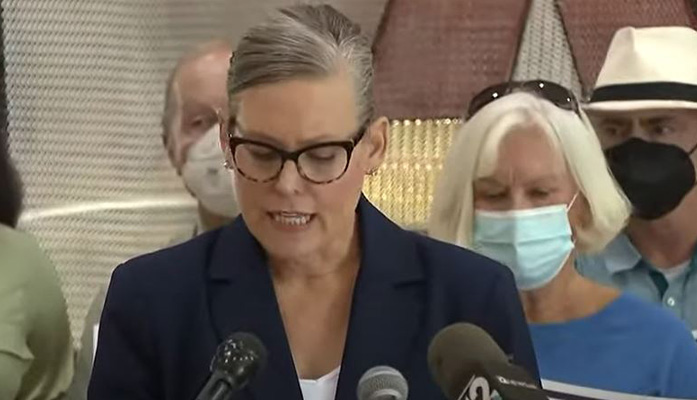
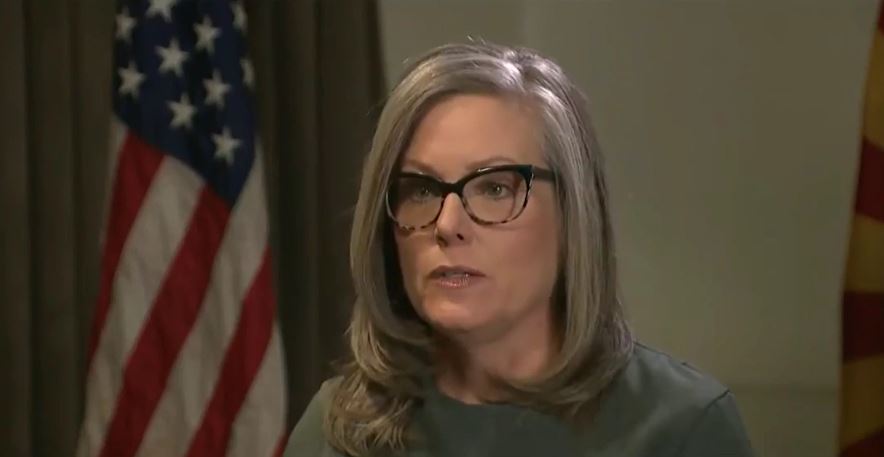
Beienburg’s fact-check came after the Governor’s Office issued a memo, which targeted the ESA program, showing that it “could cost the state over $943 million, with over 53% of all new K-12 education spending going towards only 8% of Arizona students.” In conjunction with the release of that memo, Democrat Governor Katie Hobbs said, “The universal school voucher program is unsustainable. Unaccountable school vouchers do not save taxpayer money, and they do not provide a better education for Arizona students. We must bring transparency and accountability to this program to ensure school vouchers don’t bankrupt our state. I’m committed to reforming universal vouchers to protect taxpayer money and give all Arizona students the education they deserve.”
The fact-check from the Goldwater Institute refuted three claims made against the ESA program. First, that “spending on ESA vouchers could account for 53.25% of all new K-12 education spending in the FY2024 budget going towards only 8% of Arizona students.” Beienburg put forward three facts in opposition to the claim: that “total spending on universal ESA students makes up just 2% of total Arizona K-12 spending,” that “Arizona public school districts are projected to receive over 60% (more than $570 million) of all new K-12 funding in FY 2024, despite making up 0% of the growth in students served this upcoming year,” and that “even under the Arizona Department of Education’s (ADE) highest projections, the ESA program would be funding the education of roughly 8% of Arizona’s students (including a disproportionately high percentage of students with severe disabilities) for less than 6% of the total taxpayer cost of educating Arizona’s students.”
The second claim refuted by Goldwater was that “there is an increased cost to the State when a student leaves a public district school and enrolls in the ESA voucher program. This occurs because the ESA award amount is based on the state funding provided to charter school students, which is higher than the state funding provided to district school students.” Goldwater issued one fact in opposition to this claim – that “the average savings per ESA student is even higher when including other (non-formula) spending on public school students. In total, JLBC reports over $3 billion (roughly $3,000 per student on average) of additional spending by state and local taxpayers per public school student outside the basic funding formula. ESA students receive none of this funding.”
The third – and final – claim refuted by Goldwater was that “new estimates indicate the ESA voucher program may cost taxpayers up to $943,795,600 annually, resulting in a potential $319,795,600 General Fund shortfall in FY 2024.” Goldwater issued four facts in opposition to this claim, including that “Gov. Hobbs’ office itself does not believe the report that it is using as the basis for these figures;” that “Gov. Hobbs’ office mistakes the cost ESA awards by thousands of dollars per student;” that “the nonpartisan JLBC continues to project ESA costs in line with the state budget; “ and that “even if the higher enrollments and total ESA award amounts estimated by ADE do materialize, they would not represent the net cost to taxpayers of the program.”
Beienburg closed his fact-check, writing, “Arizona’s ESA program now offers tens of thousands of families an opportunity to pursue the best education possible for their children at a lower cost than traditional public schooling. The governor and her budget office owe it to parents and the public to provide the facts about ESAs free of manipulation.”
Daniel Stefanski is a reporter for AZ Free News. You can send him news tips using this link.
One of the final pieces of the 2023 Arizona Legislative Session has been put into place.
On Tuesday, Governor Katie Hobbs signed SB 1131, which eliminates the rental tax for Arizona tenants.
FOR IMMEDIATE RELEASE: Senate Republicans Deliver Inflation Relief to Struggling Arizonans by Prohibiting Sales Tax on Rent ⬇️ pic.twitter.com/8tGzEhrJxj
According to Arizona Senate Republicans, “there are approximately 70 municipalities within our state charging this tax, while cities and towns continue to collect record revenues. From fiscal years 2019 to 2023, state-shared revenues from both sales and income taxes combined grew $733 million, or 59%. This increase is on top of any sales taxes or property taxes individually levied by each city. Between FY 2024 and FY 2025, those shared revenues are expected to grow by an additional $389 million.”
The Senate’s President, Warren Petersen, issued the following statement in conjunction with the announcement: “Charging a rental tax is bad tax policy. In fact, Arizona is one of only two states in the nation currently allowing this. While our first attempt at eliminating the tax passed out of the Legislature with solely Republican support and was eventually vetoed by the Governor, we’re grateful our Democrat colleagues came to the table with us and realized the real tangible relief this reform will provide.”
Senate Majority Whip Sine Kerr also released a statement explaining the need for the bill.
“Rental prices aren’t going down anytime soon, and Arizona tenants are agonizing over just how much more expensive it is now to rent an apartment or house than ever before. For Metro Phoenix, June of this year saw the second-highest monthly total of evictions since the 2008 Great Recession. According to Maricopa County records, landlords filed to evict nearly 7000 times last month,” said Senator Kerr. “We needed to act promptly. This bill will provide some help, and I’m proud the Majority Caucus spearheaded this change in tax policy.”
The Republicans’ press release noted that the new policy will “take effect on January 1, 2025…at the request of Democrats (to) allow cities and towns the leeway they desire to adapt to this tax reform.”
As Petersen referenced, the governor vetoed an earlier version of the rental tax prohibition back in February. Hobbs gave two reasons for her action, stating, “First this bill lacks any enforceable mechanism to ensure relief will be provided to renters. As noted by the legislature’s own attorney, provisions in the bill that purport to require that tax savings be passed on to renters face challenges under both the state and federal constitutions. If we are going to promise relief to renters, it’s important that we are able to ensure they actually receive it.”
The League of Arizona Cities & Towns – as well as several cities and towns across the state – opposed the updated bill, which was eventually signed by Hobbs, as it progressed through the state legislature. The Senate first passed the bill on March 2, then the House on May 15. The Senate then concurred with the amended proposal on June 13. SB 1131 was not transmitted to Governor Hobbs until July 31 – the same day that the Legislature approved the negotiated Prop 400 plan.
Daniel Stefanski is a reporter for AZ Free News. You can send him news tips using this link.
Reaction was mixed to the news that the Arizona Legislature passed a Prop 400 compromise on Monday, after an agreement was forged with the Governor’s Office.
Republican Senate President Warren Petersen claimed victory after his chamber gave the proposal the green light, calling it “the most conservative transportation plan in our state’s history.” Petersen added, “The guardrails, taxpayer protections and funding allocations in the text of this bill reflect the priorities of voters, to reinvest their tax dollars in the transportation modes they use most.”
Democrat Governor Katie Hobbs was diplomatic in her statement, saying, “Today, bipartisan leaders invested in the future of Arizona families, businesses, and communities. The passage of the Prop 400 ballot measure will secure the economic future of our state and create hundreds of thousands of good-paying jobs for Arizonans. I am glad we were able to put politics aside and do what is right for Arizona.”
Today, bipartisan leaders invested in the future of Arizona families, businesses, and communities. The passage of the Prop 400 ballot measure will secure the economic future of our state and create hundreds of thousands of good-paying jobs for Arizonans. I am glad we were able to…
Some legislative Democrats took the legislation’s approval to point political fingers at their Republican counterparts. Senate Democratic Leader Mitzi Epstein wrote, “As is customary, Republicans have waited until the very last minute to pass widely popular legislation that invests in the daily lives of Arizonans….Our state should not have had to wait until July 31st to see this measure, which has had legislative support since the start of session, get sent to the ballot. However, with the support of Arizonans cities and towns, I am proud to join my Democratic colleagues in delivering the key votes needed to send the extension of the regional transportation tax back to the voters of Maricopa County.”
PRESS RELEASE: Democrats Deliver Key Votes to Ensure the Extension of the Transportation Tax, Prop400E, Hits the Ballot pic.twitter.com/vDsxsvEzHm
— Arizona Senate Democrats (@AZSenateDems) August 1, 2023
Members of the Arizona Freedom Caucus were adamantly opposed to the bill since the weekend, when they appeared to have read a draft of the legislation. After Prop 400 passed, the Freedom Caucus tweeted, “Legislative conservatives near unanimously opposed this horrible bill. Conservative watchdog groups unanimously opposed it. The bill may have been better than the communists at @MAGregion’s horrific plan, but that’s a ludicrously low bar for success. This bill was antithetical to conservatism.”
Legislative conservatives near unanimously opposed this horrible bill.
Conservative watchdog groups unanimously opposed it.
The bill may have been better than the communists at @MAGregion’s horrific plan, but that’s a ludicrously low bar for success.
— Arizona Freedom Caucus (@AZFreedomCaucus) August 1, 2023
Freshman Republican Representative Austin Smith, who has become one of the leading voices in the Arizona Freedom Caucus this legislative session, was one of the most-outspoken members against the bill since the weekend. He explained his vote on Twitter, posting, “I voted NO on the prop 400 transporation excise tax for Maricopa County. Taxpayer dollars are not ours to dish out haphazardly – especially to the tune of 20 BILLION dollars with potential consequences that ruin valley transportation.”
I voted NO on the prop 400 transportation excise tax for Maricopa County. Taxpayer dollars are not ours to dish out haphazardly – especially to the tune of 20 BILLION dollars with potential consequences that ruin valley transportation. pic.twitter.com/PRCUA35rwC
Some legislative Republicans, including Representative Jacqueline Parker, were already thinking about messaging against the ballot measure in hopes that voters could stop the plan from becoming finalized. Parker tweeted, “Now it’s up to the voters in Maricopa county to read the 47 page bill & see if it’s worth $20 Billion. I recommend looking at provisions on pages: 8, 15, 16, 18, 21, 22, 34, & 35, which absolutely allow plenty of leeway for cities to implement their road diet, & transit expansion.”
Now it’s up to the voters in Maricopa county to read the 47 page bill & see if it’s worth $20 Billion. I recommend looking at provisions on pages: 8, 15, 16, 18, 21, 22, 34, & 35, which absolutely allow plenty of leeway for cities to implement their road diet, & transit expansion https://t.co/HpsNrJK5bZ
— Rep. Jacqueline Parker (@electjacqparker) July 31, 2023
The breakthrough on the Prop 400 compromise took place after Governor Hobbs vetoed a Republican proposal in June. At that time, Hobbs stated, “I just vetoed the partisan Prop 400 bill that fails to adequately support Arizona’s economic growth and does nothing to attract new business or create good-paying jobs.”
In May, the governor created unrest over ongoing negotiations, allegedly sending out a tweet that highlighted her fight with Republicans at the Legislature at the same time she was meeting with Senate President Warren Petersen.
This is a bizarre tweet. We had just started a meeting with the governor about prop 400 while this tweet was sent out. Our plan has more roads, less congestion and is a better value to the taxpayer. https://t.co/cfBF0GGM9v
Petersen, one of the most conservative members in the state legislature, championed the importance of the bill, asserting that officials had “secured a good, responsible product for the citizens of Arizona to consider in 2024, giving voters the option to enhance critical infrastructure that our entire state relies upon.”
Daniel Stefanski is a reporter for AZ Free News. You can send him news tips using this link.
Arizona’s Democrat Governor and Republican Superintendent of Public Instruction continue to trade political volleys over the state’s Empowerment Scholarship Account (ESA) program.
Last week, Governor Katie Hobbs transmitted a communication to the state’s schools chief, Tom Horne, “requesting detailed plans for protecting the personal data of Arizona students and families (after) the company responsible for the financial administration of the ESA program, ClassWallet, experienced a data breach that prompted the activation of the state Incident Response Team at the Arizona Department of Homeland Security. The Governor’s Office then tied the recent departure of “two high ranking ESA officials” to the issue, writing that in the aftermath of their sudden and unexpected resignations, there were now “concerns and questions about the administration of the ESA voucher program and the protection of student data.”
Arizona students and families deserve to know that proper measures are in place to protect their personal information. That's why I sent a letter to Superintendent Horne asking for answers regarding the recent ClassWallet information breach, and plans to protect Arizonans'… pic.twitter.com/PDTum1aNdy
— Governor Katie Hobbs (@GovernorHobbs) July 28, 2023
Hobbs issued a statement, saying, “It is my responsibility to ensure the safety and security of our state, our agencies, and our people. Arizona students and families deserve to know that proper measures are in place to protect their personal information.”
Christine Accurso, one of the former ESA officials referenced by Hobbs, quickly responded on Twitter, stating, “Governor Hobbs the same type of breach has happened on this platform in the past, even as late as last December. This has nothing to do with the resignations. You should review all of the investigations and contact the contract holder, the State Treasurer’s office.”
@GovernorHobbs The same type of breach has happened on this platform in the past, even as late as last December. This has nothing to do with the resignations. You should review all of the investigations and contact the contract holder, the State Treasurer 's office.@rizzole9https://t.co/3X2PtZhtyx
— Christine Accurso (@ArizonaCatholic) July 28, 2023
Horne, too, wasted little time in getting back to Hobbs. Mere hours after the governor sent her letter, the Arizona Department of Education first publicized a comment from ClassWallet’s CEO Jamie Rosenburg, who said, “The problem has been solved. It was a permission setting error. Once discovered, we took immediate action and corrected the permission setting. Additionally, we performed a database search and concluded no other users were affected. Therefore, this is an isolated incident to a single user.”
Then, less than two hours after the ClassWallet response, Horne released a letter he had forwarded to the governor with his responses to her queries. In that letter, Horne first addressed Hobbs’ connection of the breach with the departure of two of his aides, writing, “The first point to make is that the decision of Christine Accurso and her assistant, who came on to straighten out the mess caused by the previous administration, and when that was accomplished, left to go on to other things, has absolutely nothing to do with any reported data breach.”
Answering Hobbs’ question of “what steps is your administration taking to address any potential violations of State statutes relating to student data privacy,” Horne said, “The Department of Homeland Security in your own office is conducting an investigation. They met with officials in our office. Since the department of homeland security is part of your office, we would have thought you would have checked with them before writing your letter that is full of wild exaggerations.”
Arizona Treasurer Kimberly Yee also weighed in on the governor’s letter, informing constituents of the steps her office had taken once she learned of the incident. Yee wrote, “We have received verbal confirmation from Homeland Security that the breach did not originate from the vendor. We have also been provided assurances from Homeland Security that the vendor and my office have responded appropriately to the incident. Based on information received, we are not aware of any existing data breach and have confidence that the ESA platform is secure.”
Arizona Treasurer Kimberly Yee issued the following statement on the ESA cybersecurity incident that occurred earlier this month. pic.twitter.com/PJiipexjsN
— Office of the Arizona State Treasurer (@AZTreasury) July 28, 2023
Christine Jones, the Founder of Bigfork Tech, shared her insights into the matter, tweeting, “1. This isn’t a data breach. More like a data leak/unintentional disclosure. 2. Why is Gov involved? Superintendent is elected position-doesn’t report to Gov. 3. Former AZ AG Horne knows how to address this. 4. Kimberly Yee handles admin and oversight of ClassWallet.”
1. This isn’t a data breach. More like a data leak/unintentional disclosure. 2. Why is Gov involved? Superintendent is elected position-doesn’t report to Gov. 3. Former AZ AG Horne knows how to address this. 4. @KimberlyYeeAZ handles admin and oversight of ClassWallet.#smhhttps://t.co/UZ3jur1jme
The partner to Gov. Katie Hobbs’ chief campaign advisor now works as a lobbyist for the Saudi Arabian company targeted for taking the state’s water supply.
The partner, Chad Guzmán, co-manages the lobbying firm Fillmore Strategy with Hobbs’ senior campaign advisor, Joe Wolf. The Saudi Arabian company tapping into Arizona’s dwindling water supply, Fondomonte, enlisted Guzmán’s firm, Signal Peak Consulting, about two months ago according to a Fondomonte spokesperson. However, Fondomonte didn’t register their hire of Guzmán with the secretary of state’s office until Wednesday. Guzmán is the sole member of his firm, which was registered in January. Fillmore Strategy and Signal Peak Consulting have the same address listed on their registration with the Arizona Corporation Commission.
Guzmán formerly worked as a lobbyist for former Attorney General Tom Horne for one year in 2011, Arizona Public Services (APS) and Pinnacle West Capital Corporation from 2013 to 2020, and EPCOR Water from 2020 to 2023.
Wolf told The Arizona Republic that he no longer receives payments from Hobbs’ campaign, and that he has no business dealings with Fondomonte.
“Given I’ve never had a contract, been paid by Fondomonte or provided consultation, I’d say this is a nothingburger,” said Wolf. “Chad’s extensive experience over the years makes him a valuable asset to any client and he maintains a separate and solely owned consulting practice, of which I am not involved.”
In April, Attorney General Kris Mayes revoked Fondomonte’s drill permits for two deep-water wells. Fondomonte received permission under former governor, Doug Ducey, to use Arizona water for growing alfalfa to feed cattle overseas.
Just 8 months ago, Arizona state agencies approved new deep-water wells in La Paz County for a Saudi-owned company to pump thousands of gallons of water per-minute.
I can tell you that today – just before Earth Day – that's not happening. Those drill permits have been revoked.
— AZ Attorney General Kris Mayes (@AZAGMayes) April 21, 2023
Fondomonte originally grew its alfalfa in Saudi Arabia, but moved their operations due to a long-term drought similar to the one plaguing Arizona.
Prior to Guzmán, Fondomonte hired Rose Law Group and former Republican congressman John Shadegg: six months earlier on the same day in January.
Hobbs’ office wouldn’t comment on Guzmán’s hire or proximity to her campaign advisor, Wolf.
Wolf came into the spotlight after Project Veritasdocumented him driving around with an AR-15 to campaign events. Wolf said he traveled with an AR-15 because it was “easier to fire than a handgun.” In a separate clip, Wolf stated that Hobbs would do everything in her power to issue an assault weapons ban.
“There’s nothing she could do about it, at least immediately, right? Except advocating for it publicly, which is really more impactful once you’re governor,” said Wolf. “This state is unfortunately crazy in love with their guns.”
Wolf again came into the spotlight for retrieving Hobbs last October, who fled and hid in a restaurant’s bathroom after reporters attempted to ask her questions about her aversion to discussing policy.
Corinne Murdock is a reporter for AZ Free News. Follow her latest on Twitter, or email tips to corinne@azfreenews.com.