After months of vetoes and walking away from the table, Hobbs has finally signed a budget. A budget that looks pretty much the same as the one Legislative Republicans sent up to her desk at the beginning of May. A budget she vetoed, and that she and her colleagues in the Legislature bashed repeatedly. So, what changed?
There were two budget priorities our organization laid out before the session began. First, anything less than full conformity tax relief from Trump’s Big Beautiful Bill would essentially be a tax hike on Arizonans. Second, an extension of Prop 123 (the increased distribution from the state land trust to K-12 schools to the tune of $330 million a year) must be a nonstarter in budget negotiations. Before getting into the details, both of these objectives were accomplished.
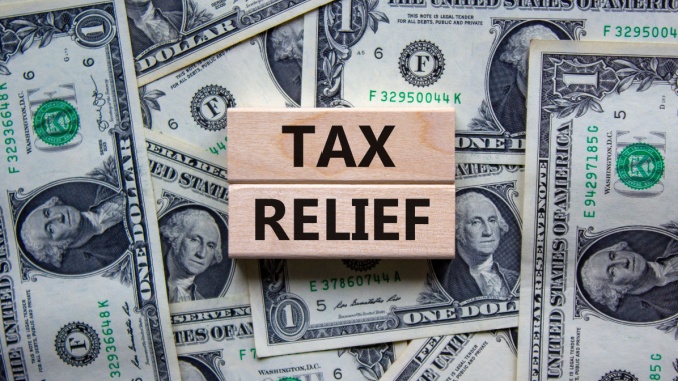
The biggest item in this budget fight was undoubtedly tax cuts from tax conformity. After President Trump signed the Big Beautiful Bill into law on 4th of July 2025, states faced a decision: do they pass on the tax relief Republicans in D.C. delivered, or do they effectively increase taxes on their residents. Core planks of conformity included no tax on tips, no tax on overtime, an increased standard deduction, a new deduction for seniors, among several provisions for small businesses and corporations of all sizes, most importantly allowing them to deduct expenses in the year they are made, rather than depreciating those expenses over several years. In other words, the bulk of the business provisions weren’t even a tax cut. The question is not whether businesses deduct those expenses, only when they deduct them.
This question needed to be resolved quickly, as the legislature begins session the second week of January and Tax Day is in April. In the first week of session, Republicans in the legislature sent a package to her desk that delivered full tax relief. All democrats voted no. Hobbs vetoed it.
Again, in February, to prevent confusion and chaos for taxpayers beginning to file, Republicans in the legislature sent up another bill. It received a veto. At the beginning of May, they sent up a budget that included full tax conformity relief for the third time. Again, it met a veto.
Based on all of the votetoes, relentless opposition and endless rhetoric about “tax breaks for billionaires,” you would think that the agreed upon budget must have included significant changes to the tax package. But if you are thinking that, you would be very wrong.
So What did Hobbs and Democrats actually fight for in this budget that necessitated six months of chaos and tax season confusion?
The U.S. Department of the Treasury reported Tuesday that millions of Americans claimed tax relief under President Donald Trump’s Working Families Tax Cuts during the most recent filing season. According to the analysis, low- and middle-income households received the largest share of the benefits.
According to a June 2 press release from the Treasury Department, taxpayers claimed approximately $82 billion in individual tax relief through the April filing deadline under provisions included in the Working Families Tax Cuts. Treasury officials said the total is expected to increase as taxpayers who requested filing extensions continue submitting returns.
Treasury Secretary Scott Bessent said the data demonstrates that the tax package delivered significant relief to working Americans and families.
“American families and workers overwhelmingly benefited from the Working Families Tax Cuts, receiving the largest share of the historic tax relief delivered this past filing season,” Bessent said. “This analysis confirms President Trump’s tax policies deliver substantial tax cuts to hardworking Americans and provide greater relief and financial certainty to low- and middle-income households.”
While Iran’s economy is in free fall, the regime has chosen to co-opt digital asset technologies for its own corrupt agenda, including evading sanctions and transferring wealth out of the country. Iran’s current economic chaos is proof that @POTUS’ maximum pressure campaign has… https://t.co/CJPNSgccqh
— Treasury Secretary Scott Bessent (@SecScottBessent) June 2, 2026
The Treasury Department stated that without the legislation, taxpayers would have faced the scheduled expiration of the 2017 Tax Cuts and Jobs Act, which officials said would have resulted in approximately $5 trillion in tax increases over time. According to the Treasury, 97% of filers who received a tax cut during the most recent filing season would have owed more in taxes absent the extension of the 2017 tax provisions.
The analysis found that tax relief was concentrated among households earning less than $200,000 annually. The Treasury reported that 96% of filers receiving a tax cut earned less than $200,000 per year, while nearly 70% earned less than $100,000.
Among taxpayers earning between $100,000 and $200,000 who claimed one of the tax provisions, the average tax reduction exceeded $1,250. Taxpayers earning between $50,000 and $100,000 who claimed one of the provisions received an average tax cut of more than $815.
The report highlighted several signature provisions included in the package. The Treasury reported that more than 7.5 million filers claimed the “No Tax on Tips” deduction, receiving an average deduction of more than $7,000. According to the department, 90% of taxpayers claiming the deduction earned less than $100,000 annually, while 99% earned less than $200,000.
More than 29 million filers claimed the “No Tax on Overtime” deduction, with an average deduction exceeding $3,100. The Treasury reported that 75% of taxpayers using the provision earned less than $100,000 annually, while 96% earned less than $200,000.
The department also reported that more than 35 million seniors claimed the Enhanced Deduction for Seniors, receiving an average deduction of more than $7,500. According to the Treasury, 68% of participating seniors earned less than $100,000 annually and 94% earned less than $200,000.
Other provisions cited in the report included the “No Tax on Car Loan Interest” deduction, which the Treasury said was claimed by more than 1.4 million taxpayers purchasing qualifying American-made vehicles. Those taxpayers received an average deduction of more than $1,800. The Treasury reported that 62% of claimants earned less than $100,000 annually and 98% earned less than $200,000.
The Treasury also reported that more than 5.5 million Trump Accounts have been opened since the program’s launch, with approximately 1.4 million qualifying for a $1,000 pilot contribution. According to the department, 86% of the accounts are linked to families earning less than $200,000 annually.
The report further found that nearly 40 million families claimed the enhanced Child Tax Credit, which the Treasury noted was permanently expanded under the legislation. Approximately 65% of participating families earned less than $100,000 annually, while 89% earned less than $200,000.
In addition, the Treasury reported that more than 127 million taxpayers—representing roughly 90% of all filers—claimed the permanently doubled standard deduction during the filing season. The department said the provision continues to simplify tax filing requirements for millions of Americans.
Arizona Senate Republicans announced on Monday that they passed a $17.9 billion budget for fiscal year 2027 that includes $1.45 billion in tax relief over four years and spends approximately $800 million less than Governor Katie Hobbs’ proposal.
The budget, approved by the Legislature and sent to Hobbs, is based on updated April revenue projections that showed a $200 million decrease in available resources.
According to Senate Republicans, the plan includes a series of tax changes intended to provide cost-of-living relief, including eliminating state taxes on tips and overtime pay, increasing the standard deduction, allowing full deductions for child-care expenses, increasing the dependent tax credit by $25, and creating a $6,000 deduction for seniors age 60 and older with retirement or pension income.
🚨FOR IMMEDIATE RELEASE: Senate Republicans Pass Historic $1.45 Billion Tax Relief Budget- Delivering Permanent Affordability for Families, Workers and Seniors While Protecting Core Services
The proposal also includes conformity with federal tax policy changes associated with Donald Trump’s tax cuts, which the Senate said would ensure Arizona taxpayers do not need to refile their 2025 state tax returns.
“This is a serious, disciplined budget that puts Arizona families first,” Senate President Warren Petersen (R-LD14) said in a statement. “We cut taxes, protect essential services, and base every decision on real April revenue projections — not wishful thinking.”
He added, “In divided government, we faced the math, eliminated waste through targeted reforms, and delivered real results without raising taxes or growing government.”
The budget maintains current funding levels for K-12 education and public safety, preserves the voter-protected K-12 State Land Trust, and limits overall spending growth to 1.9 percent.
To address the projected shortfall, Senate Republicans said the plan includes policy changes aimed at reducing spending, including enhanced eligibility verification in public assistance programs such as the Arizona Health Care Cost Containment System (AHCCCS) and the Supplemental Nutrition Assistance Program (SNAP), a 5% reduction in agency operating budgets excluding public safety and child welfare agencies, and the repeal of certain tax credits and subsidies, including solar incentives.
The budget does not reduce base pay for Arizona Department of Public Safety troopers or firefighters and does not modify existing data center incentives previously signed into law.
The plan also includes $4.75 million in emergency funding for the Department of Public Safety, which Senate Republicans said the agency had requested and that the governor had previously vetoed as a standalone bill.
The Arizona Senate Republican Caucus said the budget reflects the constraints of divided government and relies on no new taxes or fees.
“This budget reflects the reality of divided government,” Petersen said. “While Democrats were on the floor today saying we need to raise taxes, we are instead delivering historic tax relief without burdening taxpayers. Your business and your wallet are on the ballot this fall. Vote wisely.”
The proposal now awaits Hobbs’ action.
House Speaker Steve Montenegro (R-LD29), Petersen, and other legislative Republican leaders are scheduled to hold a press conference on Tuesday at 1 p.m., according to a media advisory, to highlight the budget and urge Hobbs to sign the legislation.
Last week, the Arizona House of Representatives passed an Arizona First budget focused on increasing take-home pay, lowering costs, and protecting core services. The Arizona Senate is on track to approve it today. Governor Hobbs should sign it.
The fastest way to address an affordability crisis is simple: let people keep more of what they earn.
This budget returns $1.45 billion to taxpayers over the next three years. When government takes less, families keep more through bigger paychecks, larger refunds, and lower overall tax burdens.
Our plan raises the standard deduction so workers can keep more from each paycheck. It exempts tips and overtime pay so frontline workers see meaningful relief at tax time. It reduces the cost of raising a family by exempting childcare expenses from state taxes and increasing the per-child tax refund by 25%. And it supports seniors on fixed incomes by exempting retirement income for Arizonans age 60 and older.
The goal is straightforward: you keep more, and government takes less.
At a time when families are tightening their belts, government should do the same. Yet the governor’s proposal increased spending to $18.7 billion. The House budget spends $800 million less without compromising the core services Arizonans rely on. It reflects the same discipline families practice every day.
This plan shows that responsible leadership is still possible in divided government. It prioritizes stability, protects taxpayers, and delivers a balanced approach ahead of the new fiscal year.
It fully funds K-12 education with an inflation increase, provides $200 million for public school facility repairs, gives additional support to low-income students, and eliminates co-pays for reduced-price school meals. It protects the most vulnerable by funding congregate care within the Department of Child Safety, addressing rising costs for high-need individuals with developmental disabilities, and strengthening foster care support through community providers.
This is what responsible governing looks like: targeted tax relief, controlled spending, and a commitment to core priorities. It recognizes that affordability is not just a talking point. It is the defining issue for Arizona families.
Governor Hobbs now has a clear choice. She can embrace a balanced, responsible budget that lowers costs and delivers real relief. Or she can reject a plan that reflects the will of a divided government working in good faith.
The House has done its job. We cut taxes. We protected essential services. We kept spending in check.
For Arizona families feeling the strain of rising costs, this budget deserves the governor’s signature.
Steve Montenegro is the Speaker of the Arizona House of Representatives and serves Legislative District 29 in the West Valley, Goodyear, and Surprise. Follow him on X at @SteveMontenegro.
Democrats keep attacking President Donald Trump’s Big Beautiful Bill Act of 2025, as a tax cut for the rich. But the data show that the average family GAINED roughly $2,000 on their lower tax bill for this year. Every Democrat in Congress voted no, even as they complained of a “middle-class affordability crisis.” Maybe that’s because $2,000 is peanuts to rich and famous limousine liberal Democrats. But not for the rest of us.
The goal of the Trump tax cut was simple: strengthen the economy with lower tax rates and let working and retired Americans keep more of what they earn. The early evidence confirms this is exactly what has happened. Initial IRS data shows that almost HALF of filers have already taken advantage of the bill’s middle‑income tax provisions.
Income taxes have become such an ingrained part of American life that many workers barely notice how much is snatched from their paychecks – payroll taxes, federal income taxes, state income taxes, etc. We see the net amount and forget the gross amount is what we actually earned. Because less is now taken out, the Trump tax cut functions like a pay raise.
So who is getting a pay raise from the One Big Beautiful Bill? Three major provisions were deliberately crafted to help working‑class and middle‑class Americans keep more of their hard‑earned dollars.
First, the law eliminated income tax on tipped wages, subject to certain caps. For millions of waiters, waitresses, bartenders, baristas, barbers, hairstylists, DoorDash drivers, tour guides, casino dealers, and counter staff at casual restaurants, this means a substantial share of their income is no longer taxed. In some of these occupations, tips make up more than half of total earnings, so the impact is enormous. These workers may lead rich and fulfilling lives, but none of them qualify as Trump’s “rich friends.”
Second, the bill eliminated federal income tax on overtime pay, again with income limits. This provision frees hourly workers from being taxed when they put in extra hours. Put differently, eliminating tax on overtime reduces the number of hours each day that hourly workers labor not for themselves or their families, but for the government. Given how many Americans are paid hourly, this provision overwhelmingly benefits people who are not wealthy.
Third, the tax bill reduces the tax RATE you pay. This incentivizes more work because the reward for getting a job and working more hours is more money.
Through March 25, more than 85 million individual tax returns had been filed. Of those, 37.5 million — 44% — saw an immediate reduction in their tax bill.
The bill also created a forward‑looking benefit for children: Trump Accounts. These accounts help young Americans begin investing early, giving them a head start on saving for education, starting a business, or building long‑term financial security. Children born between Jan. 1, 2025, and Dec. 31, 2028, are eligible for a $1,000 federal contribution, and early tax data shows strong enthusiasm. Roughly 2.6 million returns established Trump Accounts for more than 4 million children, and nearly one million qualified for the federal contribution.
When we account for all of these tax benefits, what we find is that far from being “tax cuts for the rich,” the One Big Beautiful Bill’s tax provisions actually reduced the tax bill paid by the middle class by roughly 14%. Meanwhile, the SHARE of federal income taxes paid by the richest 10% rose from 70% to 77% and the top 1% share rose from 38% to 40%.
If the rich are now paying a larger share of the tax pie, how is the Trump tax cut “a giveaway to the rich?” Maybe the left calls the Trump tax cut “One Big Ugly Tax Bill” because they want every one of us – not just the rich – to pay more taxes.
Stephen Moore is a contributor to The Daily Caller News Foundation, a senior fellow at America First Policy Institute, and a cofounder of Unleash Prosperity.