Arizona Schools Get Over 4K More Overdose Kits
By Staff Reporter |
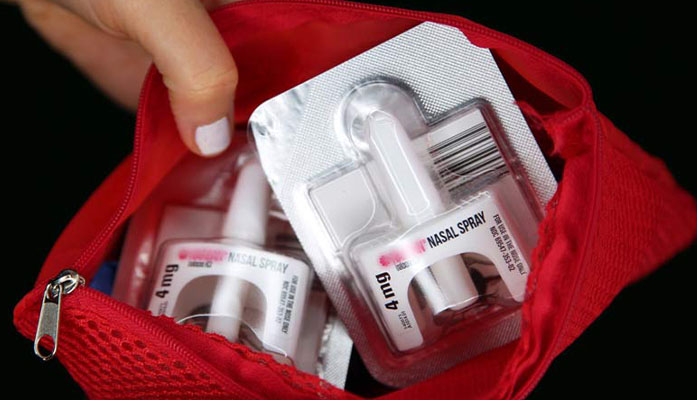
Arizona schools received over 4,000 overdose kits this past week, contributing to the thousands they have and will continue to receive.
The Arizona Department of Education (ADE) supplied the Narcan kits through its School Training Overdose and Intelligence Taskforce (STOP-IT) initiative.
In a press release, State Superintendent of Public Instruction Tom Horne hailed the kits as “lifesaving,” and pledged for more to be coming.
“The results have been excellent and represent my ongoing commitment to the health and safety of school-aged children,” said Horne. “They are to be congratulated for doing a tremendous amount of work in a short time and getting tangible results that will help protect children. We are grateful to the 20 medical societies, government agencies and state programs that have signed a letter of support promoting the integration of STOP-IT resources into our schools.”
Apart from this latest installment, ADE has supplied about 4,400 kits to 144 education agencies across the state.
Horne launched STOP-IT last May to supply the kits to schools. Last November, ADE announced that it began deliveries of over 16,000 kits in coordination with the Arizona Department of Emergency & Military Affairs (DEMA).
Schools signed up for these Narcan overdose kits through ADE’s online form after receiving permission from their districts.
ADE pledged to continue replenishment of overdose kits to ensure schools’ continued ability to handle opioid emergencies.
Nearly 60 percent of all fentanyl in the country comes through Arizona. Maricopa County maintains the second-highest overdose death rate among youth, according to Horne.
“Within the past three years, overdoses rose to the third leading cause of death in youth under age 18,” said Horne. “And according to the Department of Health Services, our state has recorded more than 1,300 non-fatal overdoses and 224 deaths in our kids since 2017. Those figures represent tragic situations for children and their families. As a state, we must do as much as possible to combat this scourge, which is why I am so proud of the meaningful progress made by the STOP-IT taskforce.”
Arizona reported over 1,900 opioid-related deaths and over 4,000 overdoses in 2023. 26 of those opioid-related deaths were among minors (those under the age of 17).
Last year, AZDHS recorded over 3,900 non-fatal opioid overdoses and over 1,300 confirmed opioid deaths. Total non-fatal overdoses among minors amounted to 94. Overdose deaths among minors for this year amounted to less than 10.
In partnership with ADE to make STOP-IT possible are the Arizona School Resource Officers Association, Arizona Counter Drug Task Force, Arizona School Administrators Association, Arizona Association of School Business Officials, Arizona Department of Health Services, Arizona School Boards Association, Arizona Society of Addiction Medicine, Arizona School Counselors Association, Arizona Chapter of the American College of Physicians, Arizona Association of School Psychologists, Arizona Health Care Cost Containment System, Arizona Interscholastic Association, Arizona Nurses Association, Arizona Medical Association, Arizona Chapter of the American Academy of Pediatrics, Arizona Chapter of the National Safety Council, National Association of School Nurses, School Nurses Association of Arizona, and the Substance Awareness Coalition Leaders of Arizona.
AZ Free News is your #1 source for Arizona news and politics. You can send us news tips using this link.