By Peter Clark |
The spark that ignited the American Revolution stemmed from the tax on tea. An unjust duty on their beloved tea led colonists to shout, “No taxation without representation.” This burdensome tax became one of the fissures that set America on its path to independence from colonial rule.
The dispute goes beyond the price of tea; it was about who has the authority to impose taxes and whether the people have a say. In 2026, Arizona voters can revisit this question in the grocery aisle. If Proposition 316 passes, it would cap local taxes on groceries at 2% and allow voters to approve increases above that threshold.
Since America’s founding, the government’s legitimacy has rested on the consent of the governed. Cities exercise taxing authority per the Arizona Constitution. While this satisfies the lawful criteria for taxation, when is delegated consent sufficient? Arizonans can propose a referendum, but doing so requires traversing a complex process.
However, Proposition 316 tackles this issue directly. It caps local taxes on groceries and requires voter approval for any increase above this limit, giving voters direct input without tackling the hurdles of organizing a referendum after the fact.
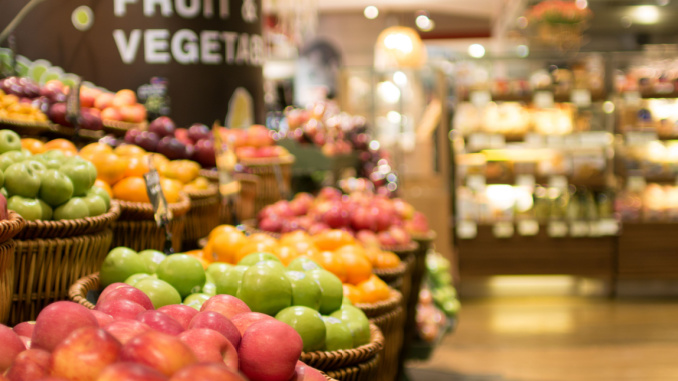
Unlike luxury goods, groceries are a necessity. Demand for essentials like food tends to be inelastic because we all need to eat. As the cost of living rises, debating grocery taxes differs from debating cigarette taxes; consumers can quit smoking, but they cannot quit eating.
Food taxes disproportionately hit poorer residents. Per the USDA, households in the lowest income quintile spent 33% of their pre-tax income on food in 2024, compared with just 6.4% among those in the highest. That means an onerous tax on groceries consumes a larger share of a poorer household’s resources, making it regressive. If a tax falls most heavily on people least able to absorb it, we should give them a direct voice in the matter.
Inevitably, taxes are a necessary evil. Grocery taxes can make up a sizable portion of a city’s budget, especially with the recent downturns in tax revenue from declines in tourism and the elimination of local residential rental taxes, which cost cities across Arizona $230 million in annual revenue losses.
However, local elected officials should be held accountable for fiscal responsibility and clarity. If they want to raise the grocery tax above the threshold, they need to make their case to the public. Why should the public support a tax on necessities if it isn’t clear what the revenue will fund? To garner widespread support, municipalities should directly identify what the additional revenue will fund and explain why the increase is necessary.
Voter feedback stimulates civic engagement. While Arizona is only a bit below the national average for voter turnout and confidence in voting, there’s still room for improvement. Pew Research has found that one of the top reasons voters give for not participating is the belief that their vote doesn’t matter.
However, policies that enable more direct constituent feedback can give citizens a greater stake in local government. In 2024, Scottsdale put Proposition 490 on the ballot. The measure passed, levying a 0.15% sales tax for the next 30 years to fund resources for parks and recreational facilities. What made that election stand out was the city’s 88.9% voter turnout. This proposition alone can’t explain the high voter participation; it shows how a local fiscal decision can give voters a direct role in managing public expenditures.
The Boston Tea Party wasn’t just about tea. It was a rejection of constituents not having a meaningful voice in public affairs. Prop. 316 brings this same principle to the grocery aisle. If local governments want to raise the grocery tax above 2%, they have to make their case with the voters. Bashas’ may be a long way from Boston Harbor, but the question of who gets a say remains.
Peter Clark is an Arizona-based writer. His work has been published by AzCentral, AZ Capitol Times, FEE, AIER, Inside Sources, OC Register, Tobacco Reporter & RealClear Markets.