By Staff Reporter |
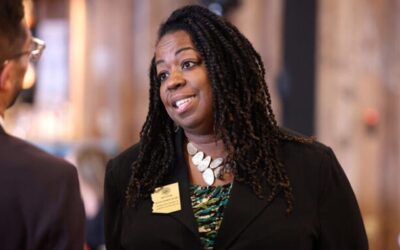
Attorney General Kris Mayes sustained a fatal blow in her case against the 2020 alternate electors for President Donald Trump.
Mayes doesn’t plan on giving up, though.
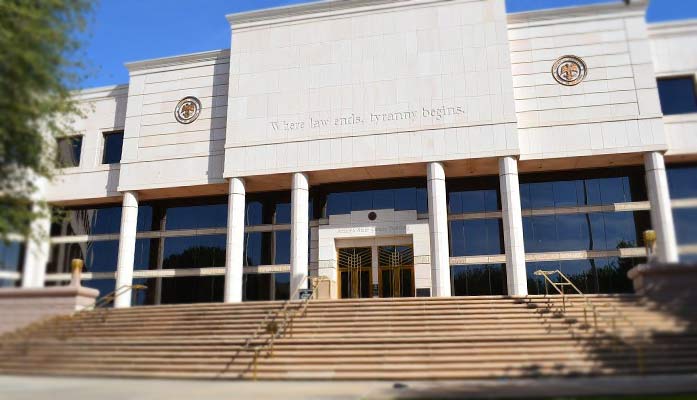
The Arizona Supreme Court denied Mayes’ appeal of lower court rulings in State v. Ward this week. This means that Mayes must start over to continue prosecution of the alternate electors.
Mayes’ spokesman Richie Taylor confirmed the attorney general plans to return to the grand jury to seek another indictment; he would not provide further comment.
Republican Rep. Abe Hamadeh (AZ-08) said Mayes’ persistence to prosecute despite the rejection of multiple courts proved her to be “completely unhinged” and in need of sanctioning.
“She’s wasting Arizona taxpayers’ money on her obsessive, Ahab-like pursuit of patriotic Arizonans who served as alternate electors after the stolen 2020 election,” said Hamadeh. “Her first sham indictment was already laughed out of every court in the state.”
Senate President Warren Petersen (R-LD14) — who is running to unseat Mayes this November — said Mayes was the poster child of a “rogue” attorney general.
“This is what a rogue AG looks like,” said Petersen. “Loses at every level and still not tired of losing.”
Mayes has sustained a series of losses in her attempt to prosecute the Trump electors, each court ruling increasingly diminishing the life of her case until it reached the point where it lies now — effectively on life support as it awaits another grand jury indictment that may not come.
Last September, the Arizona Court of Appeals rejected Mayes’ appeal of a ruling issued last May by the Maricopa County Superior Court. The latter court remanded Mayes’ case back to a grand jury, ruling that she violated the due process of the alternate electors by failing to give the grand jury a document critical to the indictment, the Electoral Count Act (ECA) of 1887.
The ECA is a federal law outlining the legal process for casting and counting electoral votes in presidential elections. It was modified recently in 2022 under the Biden administration through the Electoral Count Reform Act of 2022 (ECRA).
The ERCA, in part, limited the vice president’s involvement in electoral certification to a ministerial role, raised the congressional threshold for elector objections to one-fifth of Congress, and made state governors the authority for submitting the certificate of electors.
Key to the defense of the electors was the argument that they acted in good faith in accordance with the ECA.
Mayes has also been accused of receiving payment to prosecute the alternate electors, according to a whistleblower complaint filed last November.
That complaint alleged that States United Democracy Center (SUDC) paid around $200,000 to have prosecutorial influence over the alternate electors case. It was SUDC who advised Mayes’ office in a summer 2023 letter to prosecute Trump’s top supporters from the contentious 2020 election and its aftermath. Mayes’ office has denied the impact of the SUDC letter on their decision to prosecute the alternate electors.
Hamadeh asked the Department of Justice to investigate this alleged “pay-to-play” scheme.
That DOJ investigation is ongoing.
In April, a court of appeals judge ruled in another case that Mayes illegally withheld communications between her office and SUDC.
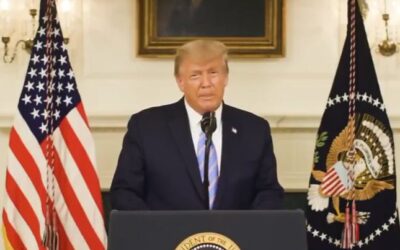
Trump has pardoned these alternate electors and supporters of the federal charges against them, but state charges like Mayes’ remain.
AZ Free News is your #1 source for Arizona news and politics. You can send us news tips using this link.