Wildfire Mitigation Bills Wind Through Arizona Senate
By Daniel Stefanski |
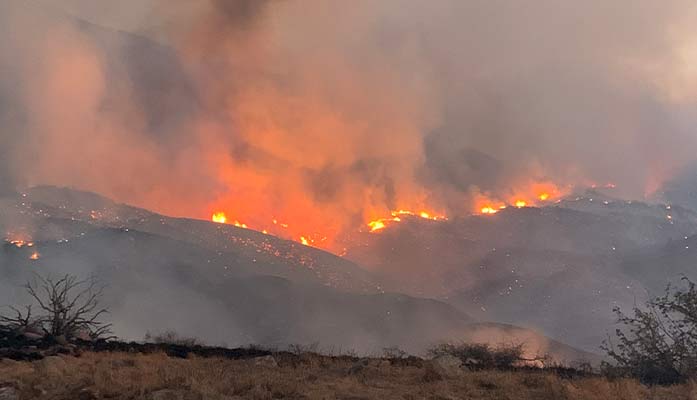
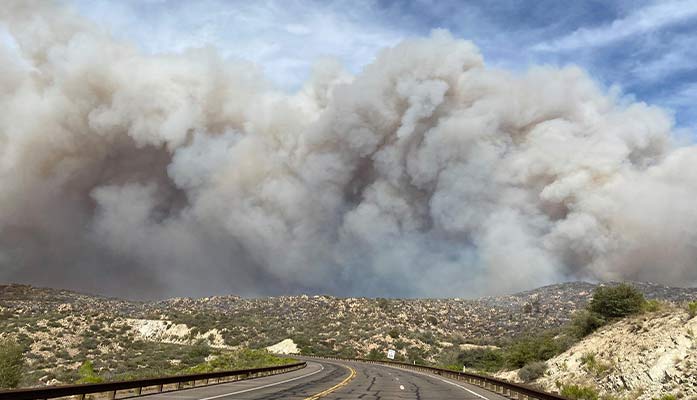
Arizona legislative Republicans continue to prioritize the state’s wildfire mitigation efforts in anticipation of another active season this summer.
Earlier this week, the Arizona Senate Republican Caucus issued a press release to update on two wildfire mitigation-related bills that had passed out of committees in the chamber.
One of those bills was SB 1297, which “directs $6.5 million to the Department of Administration for local fire departments to implement a Fire Incident management System, provid[ing] funding to equip fire engines with state-of-the-art communications systems that will improve coordination between local fire departments, emergency responders, and state authorities.” The proposal, which was sponsored by Senator Kevin Payne, passed the National Resources, Energy & Water Committee, with an overwhelmingly bipartisan 7-1 vote (one Democrat voting in opposition – Senator Sundareshan).
The other piece of legislation was SB 1285, which “appropriates $12.5 million to the Department of Forestry and Fire Management [to be] awarded as grants to fire districts for the purchase of tactical water tenders, as well as type 3 and type 6 fire engines for wildfire response.” This bill, which was sponsored by Senator David Gowan, was approved by the Appropriations Committee with a 9-0 result (with one member not voting – Senator Epstein).
In a statement, Senator Gowan said, “With the ongoing development of lands adjacent to natural forested and desert areas, the wildfire threat is front and center for Arizona communities. I am committed to providing our first responders with the resources they need to save lives and property from wildfire tragedy.”
Senator Payne added, “While California’s government prioritized progressive political agendas like DEI over the resources needed to fight wildfires efficiently, Arizona Senate Republicans remain focused on what truly matters – protecting our communities and preparing for the annual fire season. We will continue to invest in the tools and technology necessary to ensure our firefighters have what they need so that what happened in California never happens here at home.”
Fire Chief Jake Rhoades, the President of the Arizona Fire Chiefs Association, also weighed in on the efforts to pass these bills, writing, “Ensuring firefighters are properly trained and equipped to respond to wildfire emergencies is a top priority for fire districts across the state. The passage of SB 1285 and SB 1297 would significantly assist our efforts, by equipping our personnel with essential firefighting apparatus needed to complete the mission.”
The bills from Senate Republicans to help combat another dangerous fire season in Arizona come at the same time House Republicans are also attempting to pass similar proposals in their chamber. In a press release issued earlier this week, State Representative Lupe Diaz highlighted that Governor Katie Hobbs’ proposed budget “offers zero funding for hazardous vegetation removal or forest thinning despite recognizing that wildland fire costs have been ‘much higher in recent years’ due to neglected forest maintenance.” Hobbs did not mention plans to address wildfire mitigation efforts in her State of the State address to the Arizona Legislature at the beginning of the 57th Regular Session last month, which stood out due to the very recent example with the destructive Los Angeles fires.
Daniel Stefanski is a reporter for AZ Free News. You can send him news tips using this link.