
Arizona Consumers At Risk As Fake Gambling Sites Poised To Surge During NFL Season

Arizona Consumers At Risk As Fake Gambling Sites Poised To Surge During NFL Season

By Jonathan Eberle |

Arizona residents could collectively lose millions of dollars to fake gambling websites this fall, according to a new study analyzing Federal Trade Commission (FTC) scam reports. The report, conducted by online gaming marketplace Chicks Gold, found that Arizona consumers reported $7.9 million in losses between April and June of this year from scams linked to fake gambling and gaming sites. Analysts warn those numbers could rise sharply as the NFL season, the most bet-on sport in the United States, fuels a wave of online wagering.

“Scammers know there’s likely to be a surge in inexperienced bettors searching online for wagering platforms,” said Al Alof, CEO of Chicks Gold and spokesperson for the study. “That makes them especially vulnerable to fake sportsbooks or offers that appear too good to be true.”

The study examined scams across five FTC subcategories connected to fraudulent gambling platforms: malware and exploits, online shopping, tech support, social networking, and prizes, sweepstakes, and lotteries. Nationally, 106,531 reports were filed in Q2, totaling nearly $192 million in losses, or an average of $1,965 per report. Arizona’s losses were significantly higher: 2,830 reports led to nearly $7.95 million stolen, averaging $2,811 per report—43% higher than the national average.

The most damaging category for Arizona residents was prizes, sweepstakes, and lotteries, which accounted for $4.1 million lost across just 408 reports, averaging more than $10,000 per incident. That placed Arizona sixth in the nation for per-report losses linked to these types of scams, behind Montana, Maine, South Dakota, Wyoming, and North Dakota.

According to the study, fraudulent gambling and gaming operations exploit consumers in several ways:

  • Malware and exploits: Fake casino sites that prompt users to download spyware disguised as “mods” or “cheat tools.”
  • Online shopping scams: Fake sites selling in-game items, currency, or memberships that never arrive.
  • Tech support fraud: Pop-ups or sham help desks convincing players to share sensitive information.
  • Social networking scams: Fake or hijacked profiles distributing phishing links in gaming communities.
  • Prizes, sweepstakes, and lotteries: Lures promising jackpots or loot boxes that require upfront payment or personal data.

“These scams thrive on community and urgency,” Alof said. “Gamers searching for new releases or fans eager to place bets can be tricked into handing over money or sensitive information.” The rise in gambling scams has also been noted by the Better Business Bureau (BBB), which reports that complaints about online gambling platforms more than doubled since 2023. Users described problems ranging from malfunctioning slot games and altered wagers to deceptive ads and phishing attempts.

To protect themselves, Alof urged consumers to:

  • Verify licensing and URLs: Legitimate sportsbooks are licensed by state regulators. Misspelled domains or unofficial app stores are red flags.
  • Avoid unrealistic offers: “Guaranteed wins” or oversized bonuses are often bait for scams.
  • Use secure payments: Credit cards or PayPal provide better protection than wire transfers or gift cards. Enabling two-factor authentication also reduces risk.

Analysts caution that both sports bettors and traditional gamers face exposure. Beyond the NFL betting surge, Alof noted that the release of popular video games creates another avenue for fraud. When legitimate gaming sites crash under demand, players may turn to unverified download links, which scammers exploit. With Arizona already posting losses above the national average, experts warn vigilance will be crucial in the months ahead.

Jonathan Eberle is a reporter for AZ Free News. You can send him news tips using this link.
Scammers Now Targeting QR Codes To Steal User Information And Money

Scammers Now Targeting QR Codes To Steal User Information And Money

By Terri Jo Neff |

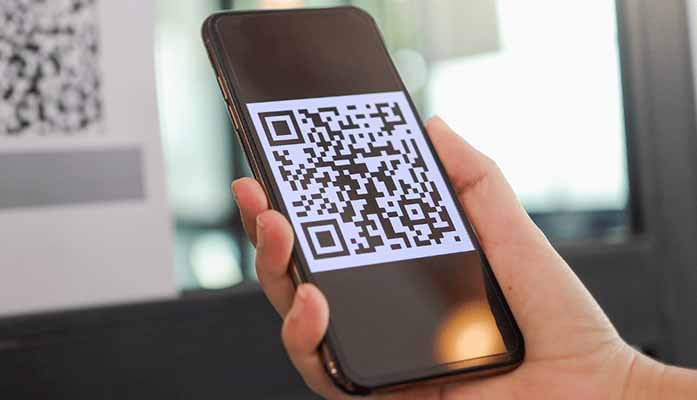
QR codes can be scanned to download a coupon, sign in at a medical appointment, even look at a restaurant’s menu while waiting to be seated. They can also used by cybercriminals to scam people, the FBI is warning.  

A QR code is a square barcode that a smartphone camera can scan and read to provide quick access to a website. It can also be used to prompt the user to download an app or process a direct payment to an intended recipient. And businesses large and small utilize QR codes for customer rewards programs.  

The popularity of QR codes grew during the COVID-19 pandemic in part due to the contactless nature of the technology. But more and more cybercriminals are now tampering with the codes to surreptitiously redirect victims to a malicious site in order to steal login and financial information, the FBI warns.

“Cybercriminals tamper with both digital and physical QR codes to replace legitimate codes with malicious codes,” the FBI stated. “A victim scans what they think to be a legitimate code but the tampered code directs victims to a malicious site, which prompts them to enter login and financial information. Access to this victim information gives the cybercriminal the ability to potentially steal funds through victim accounts.”

The scammers can also utilize a QR code to embed malware which allows a cybercriminal to gain remote access to a victim’s device, and even redirect money transfers to the criminal, according to the FBI. The cybercriminal can even leverage financial information stolen from the device to withdraw funds from the victim’s bank accounts or credit / debit cards stored on the device.

“Law enforcement cannot guarantee the recovery of lost funds after transfer,” the FBI stated.

Companies are advised to consider whether the immediate convenience of offering QR code options is worth the potential cost of dealing with security breaches and disgruntled customers.

And for those consumers who really want to utilize QR codes, the FBI has some suggestions to reduce -albeit not eliminate- the risk of falling victim to a scammer.

According to the FBI:

  • Do not download a QR code scanner app, as this increases your risk of introducing  malware onto your device. Instead, use the built-in code scanner incorporated in your camera app.
  • Avoid making payments through a site you were sent to via a QR code. Instead, manually enter a known and trusted URL to complete the payment.
  • Also, use caution when asked to enter any login, personal, or financial information from a site you navigated to from a QR code.
  • If you receive a QR code that appears to be from someone you know—such as a local business or medical provider—contact them through a known number or address to verify they sent you the code.
  • Do not download an app to your device via a QR code. Use your device’s app store instead for any download.
  • If scanning a physical QR code, ensure the code has not been altered or tampered with, such as a  sticker placed on top of the original code.
  • Once you scan a QR code, check the URL it opened to make sure it is the intended site and looks authentic. A malicious domain name may be similar to the intended URL but with typos or a misplaced letter.
  • Finally, if you receive a notice of a failed payment from a company you recently made a purchase with and the only option you are given for completing the payment is via a QE code, call the company to verify. But do not use the phone number included on the notice—ensure you obtain the number through a trusted site.

If you believe you have been the victim of a QR code scam, contact your local police department or sheriff’s office. They may conduct the investigation or refer the matter to the nearest FBI office.

Meanwhile, suspicious QR code activities can reported directly to the FBI Internet Crime Complaint Center at www.ic3.gov