By Matthew Holloway |
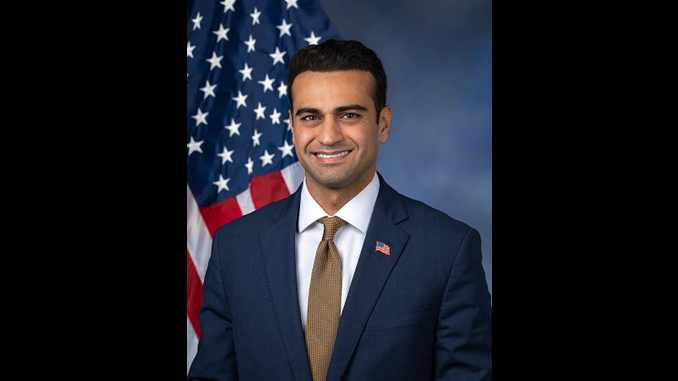
Republican Congressman Abe Hamadeh (R-AZ-08) announced his support for a comprehensive veterans package that passed the U.S. House on Veterans Day, including provisions from his legislation to expand veterans’ educational opportunities in emerging technology fields.
The House approved H.R. 9237, the Take Care of America’s Veterans Act, by voice vote Wednesday. The package addresses veterans’ health care, benefits, education, caregiver support, and Department of Veterans Affairs (VA) operations. It now moves to the Senate for consideration.
House Veterans’ Affairs Committee Chairman Mike Bost (R-IL-12) introduced thebill on June 10, with Hamadeh among its original cosponsors. Hamadeh’s office said that the package includes his Improving Emerging Tech Opportunities for Veterans Act, H.R. 7103, which he introduced in January.
“As a member of the House Veterans’ Affairs Committee, I remain committed to protecting the benefits veterans have earned through their service while advancing responsible, bipartisan reforms that improve the VA’s ability to serve America’s veterans, their families, and survivors,” Hamadeh said.
“I am proud of this vote today, but our work to improve services for veterans is not done. This fight continues.”
The vote follows Hamadeh’s recent statements on veterans’ services highlighting improvements in VA health care access, disability benefits processing, and housing assistance while calling for continued oversight of the department.
Hamadeh’s standalone proposal would direct the VA to work with employers, educational institutions, and other stakeholders to identify emerging technology careers with strong employment prospects and courses that would prepare veterans for those positions. It also calls for information about those opportunities to be included in military transition assistance and on the VA’s website.
Section 211 of the package’s published text would expand the high-technology education program to include emerging technologies, identifying artificial intelligence and semiconductor manufacturing as examples. It also would establish a method for reporting participants’ employment outcomes 180 days after completing their programs.
When introducing his bill, Hamadeh said the proposal was intended to help veterans identify career options before using their education benefits. His January announcement highlighted potential opportunities in Arizona’s 8th Congressional District as technology industries expand.
The broader package includes provisions addressing community care, mental health services, caregiver assistance, survivor benefits, and VA facilities. Supporters include the American Legion, Wounded Warrior Project, AMVETS, Military Officers Association of America, Elizabeth Dole Foundation, Tragedy Assistance Program for Survivors, and Mission Roll Call.
The legislation has also drawn opposition over proposed disability compensation changes. In its November 9 advocacy update, the Veterans of Foreign Wars urged lawmakers to oppose the package because of Section 108’s proposed reductions affecting future disability compensation.
Section 108 of the introduced bill would revise disability ratings for sleep apnea and tinnitus for claims filed after enactment. It also prohibits those revisions from reducing or discontinuing compensation already in effect before enactment.
The American Legion supports the package, citing its protections for existing ratings and arguing that savings associated with the changes would support other veterans’ benefits and services.
Senate Veterans’ Affairs Committee Chairman Jerry Moran (R-KS) welcomed the House vote Wednesday and said he would work with senators to advance the legislation to the president’s desk.
Matthew Holloway is a senior reporter for AZ Free News. Follow him on X for his latest stories, or email tips to Matthew@azfreenews.com.