By Ethan Faverino |
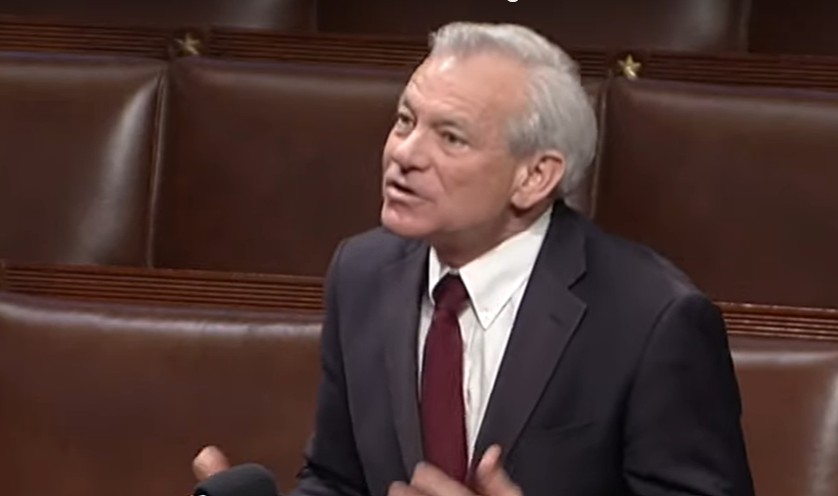
Arizona Congressman David Schweikert (R-AZ-01), chairman of the Joint Economic Committee (JEC), introduced legislation aimed at overhauling the nation’s employment-based immigration system to prioritize highly skilled workers, strengthen economic growth, and reduce federal debt.
The Securing Migration, Addressing Reform, and Talent Enhancement and Retention (SMARTER) Act, introduced October 19, would establish a points-based immigration system designed to attract foreign workers with skills and qualifications that support critical U.S. industries while reducing reliance on existing visa programs.
According to the JEC, the proposed reforms could save the federal government approximately $335 billion and increase U.S. gross domestic product (GDP) by at least $549 billion over the next decade.
The legislation would replace the existing H-1B visa program with a more selective system focused on addressing labor shortages in specific industries. It would also restructure employment-based immigration to prioritize applicants based on qualifications, education, experience, and economic contributions rather than application order.
Additional provisions would eliminate country-based visa caps, reduce family-sponsored immigration, redirect diversity lottery visas toward employment-based applicants, and replace the existing EB-5 investor visa program with a system modeled after the Trump Gold Card initiative.
Supporters argue the changes would improve labor market conditions for American workers while allowing businesses to recruit specialized foreign talent in industries experiencing workforce shortages.
“Today in the United States, we have the same number of 18-year-olds as we did almost 20 years ago, while the older population is growing exponentially, creating a demographic shift that shrinks the workforce needed to sustain our long-term financial health,” said Schweikert.
“If we are serious about tackling our debt, growing our economy, and safeguarding our earned federal benefits, we must cultivate a workforce that continues to compete globally at the highest level, supports our domestic industries, and optimizes our nation’s financial viability,” he added.
The proposal follows a March 18 congressional hearing titled Keeping Our Promises: Labor Inflows, Maintaining Competitiveness, and Supporting an Aging Population, which examined the economic implications of immigration and an aging American workforce.
Alongside the legislation, the JEC released an October 19 issue brief titled Young, Talented, and Ready: Pivoting Toward a National Scheme of Points-Based Immigration, outlining how changes to immigration policy could address demographic challenges and improve the nation’s long-term fiscal outlook.
The report highlighted the growing imbalance between younger Americans entering the workforce and older Americans approaching retirement.
According to the U.S. Census Bureau, Americans under age 18 accounted for approximately 25% of the population in 2004, compared to 21.5% in 2024.
Meanwhile, the share of Americans aged 65 and older increased from 12.4% to 18% during the same period, highlighting the nation’s aging population and the challenges associated with a changing workforce.
The JEC argues that an aging population, combined with a shrinking share of younger workers, threatens economic productivity and places additional pressure on federal programs and government finances.
The report also points to the nation’s growing debt burden, which has exceeded $40 trillion, with the debt-to-GDP ratio surpassing 120%.
According to the committee, attracting highly skilled immigrants could help increase economic output, generate additional tax revenue, encourage entrepreneurship, and support technological innovation.
The JEC also warned that the United States faces increasing international competition for specialized workers, particularly from countries such as Canada, China, and the United Kingdom.
The report cited Canada’s 2023 Tech Talent Strategy, which attracted 10,000 applicants through a program targeting U.S. H-1B visa holders within 24 hours of opening.
Schweikert argued that reforming the immigration system would help the United States remain competitive while addressing domestic workforce shortages and protecting American workers.
“To address our workforce shortages and elevate American productivity while increasing workers’ value, it is imperative to reform policies to prioritize selective, high-skilled, employment-based visas over family-sponsored or diversity migration,” added Schweikert. “This is truly prioritizing America, as we strengthen our economic prosperity and national security by building the best workforce of the future while expanding opportunities for all Americans.”
The JEC estimates that the SMARTER Act could generate approximately $1.34 trillion in federal savings over 20 years, assuming immigration levels remain consistent with current annual totals.
The legislation has been introduced in the U.S. House of Representatives but would need to pass both chambers of Congress before being signed into law.
Ethan Faverino is a reporter for AZ Free News. You can send him news tips using this link.