By Ethan Faverino |
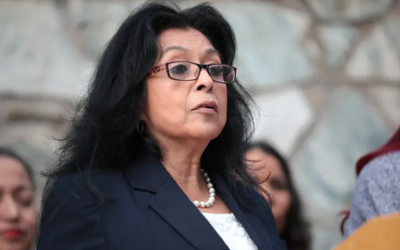
Senate Health and Human Services Committee Chair Carine Werner (R-LD4) will hold the final Department of Child Safety (DCS) oversight hearing of the legislative session on Monday, April 6, at 9 a.m. The hearing caps a months-long investigation into systemic failures that left vulnerable Arizona children unprotected despite repeated contacts with the child welfare system.
The oversight effort, launched after several high-profile tragedies, exposed critical breakdowns in how DCS handles reports of abuse, coordinates with partners, and responds to warning signs.
Among the cases that drew urgent attention were Emily Pike, a 14-year-old who ran away from a group home and was later found dead, Rebekah Baptiste, a 10-year-old who died after multiple reports of abuse were filed but not addressed with sufficient urgency, and Zariah Dodd, a 16-year-old in DCS care who was reported missing and later found murdered in Phoenix.
In each instance, the children had prior involvement with the system, yet missed opportunities for timely intervention, poor information sharing, and delayed action contributed to fatal outcomes.
“This investigation made one thing painfully clear. People were raising red flags, but the system wasn’t connecting the dots or acting fast enough,” stated Senator Werner. “These children were not invisible. They were known. Reports were made. And still, the response fell short. That cannot happen again.”
Through a series of stakeholder meetings and hearings involving DCS officials, law enforcement, child welfare experts, and affected families, Senator Werner’s committee identified key gaps in coordination, documentation, reporting, and response times. That work has culminated in a targeted package of bipartisan reform bills designed to prevent similar failures.
- SB 1125 strengthens coordination between DCS and Arizona’s Indian tribes by requiring efforts to establish memoranda of understanding. These agreements focus on sharing best practices in intake, investigations, placement, case management, and service coordination; designating tribal liaisons; and providing tribes access to regulatory actions, licensing sanctions, and safety violations involving group homes where tribal children are placed.
- SB 1126 improves information sharing between schools and DCS investigators. In compliance with federal privacy laws, schools must, upon request, identify other schools that have sought a student’s records, note any withdrawals, and provide relevant information or records during active abuse or neglect investigations. The bill also prohibits schools from barring employees from speaking with DCS caseworkers.
- SB 1127 tightens mandatory reporting requirements, stipulating that individuals with a duty to report suspected abuse or neglect who have direct knowledge must report immediately to DCS and may not delegate responsibility to another person.
- SB 1174 enhances DCS’s centralized intake process by requiring hotline workers to compile and review a child’s full history—including prior hotline calls and investigations involving the child and siblings—so patterns of concern are immediately visible. Workers must also review recent non-report calls when assessing new allegations.
- SB 1175 mandates that DCS caseworkers photograph children during every contact in an abuse or neglect investigation and maintain those images in the case file. When developing safety plans, caseworkers must review photos to identify any decline in the child’s appearance or health.
- SB 1496 strengthens legal protections and representation for children in dependency cases, including provisions addressing the Department’s role as representative payee for benefits and efforts to identify more appropriate non-DCS individuals for that responsibility.
- SB 1631 ensures that children who are alleged victims of sexual abuse receive a forensic interview conducted by a trained professional immediately or within 72 hours of the report. The requirement includes specific definitions of sexual abuse and allows documented good cause exceptions for limited delays, such as the child receiving inpatient care or not being located.
Presentations at Monday’s hearing will feature insights from Casey Family Programs, a national nonprofit dedicated to improving child welfare and reducing unnecessary foster care placements; Collaborative Safety, which partners with agencies to enhance child protection practices and lower risks; and an update from the Arizona Department of Child Safety on policy changes implemented since the investigation began.
“The reforms we’re advancing are about making sure information is shared, warning signs are taken seriously, and experienced professionals step in immediately when a child is in danger,” added Senator Werner. “When a child’s life is on the line, there is no room for delays, confusion, or missed communication.”
Ethan Faverino is a reporter for AZ Free News. You can send him news tips using this link.