By Jonathan Eberle |
Arizona state Rep. Nick Kupper (R-LD25) has introduced legislation that would allow higher speed limits on certain rural interstate highways, citing roadway design, safety data, and differences between urban and rural driving conditions.
House Bill 2059, known as the Reasonable and Prudent Interstate Driving (RAPID) Act, would give the Arizona Department of Transportation authority to designate limited stretches of rural interstates as “derestricted” speed zones for non-commercial vehicles during daylight hours. The proposal maintains an 80-mile-per-hour maximum speed limit at night and preserves existing laws addressing unsafe or reckless driving.
Under the bill, ADOT would determine which highway segments qualify based on engineering studies, roadway design standards, and historical safety records. The legislation also increases civil penalties for drivers who misuse the derestricted zones, including those who engage in aggressive or dangerous driving behavior.
The measure requires annual safety audits of any approved segments and directs ADOT to coordinate enforcement efforts with the Arizona Department of Public Safety. In addition, the bill calls for a public education campaign to ensure drivers understand expectations in derestricted zones, including proper lane use and passing rules.
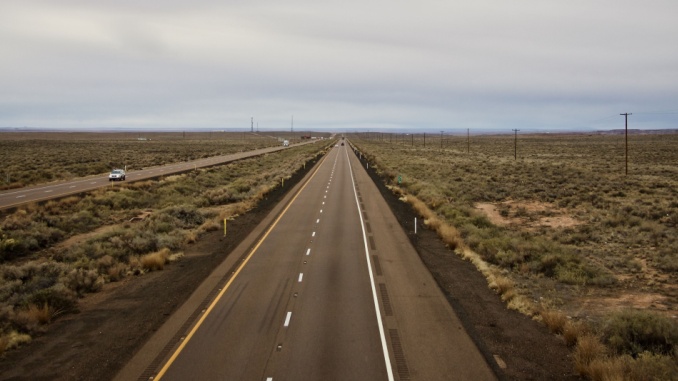
The proposal would begin with a one-year pilot program on a segment of Interstate 8. Any continuation or expansion would depend on safety outcomes and compliance with the bill’s requirements.
“Most drivers can tell the difference between a crowded city freeway and a wide-open stretch of rural interstate,” Kupper said in a statement. “The RAPID Act accounts for that difference. It will let us raise speeds where it’s safe, keep tough penalties for reckless driving, and update our laws to reflect how people actually use these roads.”
Kupper pointed to Montana’s former “reasonable and prudent” daytime speed standard as a precedent. According to a review by Montana’s Legislative Audit Division, average speeds increased after posted daytime limits were removed, but crash and fatality rates per vehicle mile traveled continued to decline and remained comparable to neighboring states. The audit concluded that factors such as seatbelt use and driver behavior had a greater effect on safety outcomes than posted speed limits alone.
“Montana showed that you can modernize speed laws without sacrificing safety,” Kupper said. “When rules are clear and focused on driver behavior, states can let safe highways operate as they were designed to operate.”
Jonathan Eberle is a reporter for AZ Free News. You can send him news tips using this link.