By Matthew Holloway |
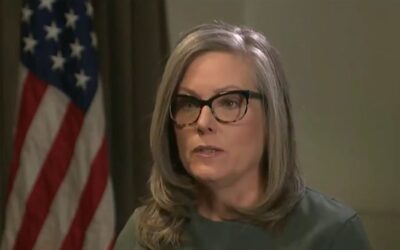
Gov. Katie Hobbs has signed a package of child welfare bills sponsored by Sen. Carine Werner (R-LD4) aimed at strengthening Arizona’s response to abuse reports, improving Department of Child Safety (DCS) case review procedures, and increasing protections for children in dependency proceedings and state care.
Werner said the measures followed months of legislative oversight and investigation into Arizona’s child welfare system.
The Senate Republican Caucus said the hearings examined weaknesses in how abuse reports are reviewed, how allegations are investigated, and how children already known to DCS are protected. The hearings were launched after multiple high-profile child deaths exposed breakdowns in the state’s child safety system, including the deaths of Emily Pike, Rebekah Baptiste, and Zariah Dodd.
All together, Arizona enacted 13 new child welfare laws this year.
SB 1127 amends Arizona’s mandatory reporting statute for child abuse and neglect. The bill requires a person who has a duty to report and who has direct knowledge that a minor is or has been the victim of abuse or neglect to immediately report it to DCS and bars that person from delegating the report to someone else.
Under existing statute amended by the bill, mandatory reporters include physicians, physician assistants, optometrists, dentists, osteopathic physicians, chiropractors, podiatrists, behavioral health professionals, nurses, psychologists, counselors, social workers, peace officers, child welfare investigators, child safety workers, school personnel, domestic violence victim advocates, sexual assault victim advocates, clergy, parents, stepparents, guardians, and others with responsibility for the care or treatment of a minor.
SB 1174 requires the DCS centralized intake hotline to take steps to identify and locate prior communications and DCS reports related to a current abuse or neglect communication using the department’s data system and the state’s central registry system.
The bill requires the hotline to quickly and efficiently show in a single report the entire history of a child and the child’s siblings who have been the subject of prior hotline calls or DCS investigations. The hotline worker must review the narrative of every call received for that child from the previous 90 days.
SB 1174 also allows a hotline worker to review hotline calls received in the previous 90 days that did not meet the criteria for a DCS report and use information contained in prior calls when deciding whether a new allegation meets the criteria for a DCS report. The law takes effect after Dec. 31, 2026.
SB 1496 makes broader changes to DCS policies and procedures involving children in dependency cases, federal benefits for children in DCS care, kinship placement searches, missing or runaway children, and central registry hearings.
The bill requires courts to appoint an attorney for a child in dependency and termination of parental rights proceedings before the first hearing. It also directs the attorney to determine whether the child has diminished capacity that would affect the child’s ability to express an opinion or make decisions.
The measure requires DCS to determine within 60 days after a child enters care whether the child is receiving or may be eligible for benefits administered by the Social Security Administration or Veterans Administration. If DCS is appointed as the child’s representative payee, the department may not use the child’s federal benefits, other benefits, savings, or assets to pay for or reimburse the state for the child’s care.
The bill requires DCS to use due diligence to identify and notify adult relatives and persons with a significant relationship to a child within 30 days after the child is taken into temporary custody. The search must include interviews with the child’s parent, the child, identified adult relatives, and others likely to have information about possible relatives or significant contacts.
For missing, abducted, or runaway children in state care, SB 1496 requires DCS to notify law enforcement immediately or within 24 hours, request that law enforcement enter the child into state and national missing-person systems, and report the child to the National Center for Missing and Exploited Children within 24 hours.
The bill also requires DCS to provide local law enforcement with identifying information within 48 hours, including a physical description, last known location, clothing description, vehicle information if applicable, current photos, a law enforcement phone number, and information about any offered rewards. Law enforcement must provide that information to local media outlets and post it to social media platforms.
SB 1631 requires that when a child alleges sexual abuse, or when a report of abuse or neglect includes an allegation of sexual abuse, a person trained in forensic interviewing must conduct a forensic interview with the child immediately or within 72 hours.
The 72-hour requirement does not apply if DCS shows good cause for the delay. The bill lists several examples of good cause, including when the child is receiving inpatient physical or mental health care, is not physically present in Arizona, has not been located by the department, or is unavailable because a parent or guardian who is not the subject of the allegation is unresponsive or unable or unwilling to make the child available for the interview.
The bill defines sexual abuse for the purposes of the requirement to include sexual abuse, sexual conduct with a minor, sexual assault, molestation of a child, commercial sexual exploitation of a minor, sexual exploitation of a minor, incest, and child sex trafficking.
“Protecting vulnerable children is one of government’s most important responsibilities, and there have been far too many cases where that responsibility was not met,” Werner said. “These new laws address real problems we uncovered through legislative oversight, and they strengthen the safeguards that exist to protect children from abuse, neglect, and exploitation. Arizona families deserve confidence that when warning signs appear, the system will respond appropriately and children will not be forgotten.”
The latest signed bills follow two other Werner-sponsored DCS measures Hobbs signed earlier this year. SB 1125 requires DCS to make annual efforts to enter into memorandums of understanding with Arizona tribes that do not already have current agreements with the department. The agreements must address information sharing, training materials, operational standards, tribal liaisons, and access to regulatory and enforcement information involving DCS-licensed group homes where tribal children are placed.
SB 1126 requires schools, upon request by a DCS caseworker, to identify any school that has requested a pupil’s educational records and any person who has withdrawn the pupil from school. The law also requires schools to provide other requested information or records related to a pupil who is or was enrolled at the school and bars public and private schools from prohibiting employees, contractors, or volunteers from speaking with a DCS caseworker investigating abuse or neglect allegations.
The Governor’s Office listed SB 1127, SB 1174, SB 1496, and SB 1631 among the bills Hobbs signed in a June 19 legislative action update.
A separate Werner measure, SB 1175, was vetoed by Hobbs. The proposal would have required DCS caseworkers to photograph children during abuse and neglect investigations and review the photographs when assessing a child’s safety. DCS Director Kathryn Ptak said the department would adopt the requirement administratively.
Matthew Holloway is a senior reporter for AZ Free News. Follow him on X for his latest stories, or email tips to Matthew@azfreenews.com.