By Staff Reporter |
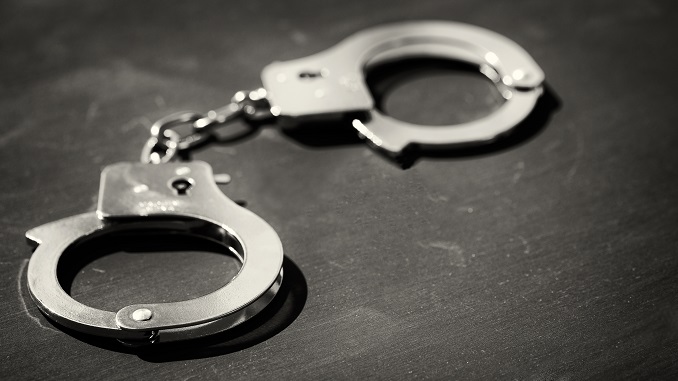
The Scottsdale Police Department (SPD) says they won’t be posting the mugshots of recently arrested child sex traffickers under the claim that Arizona law prohibits the posting of mugshots.
“It is currently against the law in Arizona to post mugshots and names on social media related to arrests,” said SPD.
However, it’s not Arizona law that prohibits the posting of mugshots. SPD based their claim on the 2024 Ninth Circuit Court of Appeals ruling in Houston v. Maricopa. The agency involved in that ruling, the Maricopa County Sheriff’s Office (MCSO), modified their mugshot posting practice in order to comply with that ruling.
SPD issued the statement in response to criticisms that they failed to post the mugshots identifying around 200 individuals arrested in a weeks-long sex trafficking sting by SPD’s Human Exploitation and Trafficking Unit from the end of January through mid-February.
Charges included child sex trafficking, attempted sexual conduct with a minor, luring a minor for sexual exploitation, prostitution and pandering, and weapons misconduct. Some of those individuals arrested had outstanding felony warrants.
MCSO resumed their posting of mugshots in a manner they claim achieves compliance with the court ruling last August.
An MCSO spokesperson, William Jinks, indicated at the time that the court ruling didn’t make it “illegal” to post mugshots. Rather, the judgment established guidelines for posting.
“The changes made to the mug shot page are in accordance with the opinion of the appellate court,” said Jinks.
The 2024 ruling found specifically that MCSO’s policy of posting mugshots was unconstitutional — not the entire practice of posting mugshots.
The court took issue with MCSO’s policy of posting personally identifying information with the mugshot (birth date, sex, height, weight, hair color, eye color, and arresting charges), removing the online posting after three days, and failing to identify the arresting agency.
Ninth Circuit Judge Marsha Berzon ruled that governmental transparency wasn’t a valid justification for MCSO’s mugshot posting policy.
“Governmental actions that harmfully affect arrestees pretrial can violate due process if impermissibly punitive, whether a condition of pretrial detention or not,” stated Berzon. “What is the public interest, for example, in publicly disclosing [the arrestee’s] weight? So, too, with other personal information including his birthdate, height, eye color, and hair color. The County nowhere purports to show, much less succeeds in showing, why this level of granular detail about [the arrestee’s] body and personal identity rationally furthers an interest in government transparency.”
MCSO adapted its policy to resolve those contentions by the court. The new mugshots page lists far less information: booking number, first and last name, and charges. Mugshots also have watermarks identifying MCSO as the arresting agency. The page also has a disclaimer posted at the top: “All individuals are innocent until proven guilty.” The page only includes the 100 most recent mugshots.
Houston v. Maricopa is currently under civil appeal within the Arizona District One Court of Appeals. The latest development in that case was the court’s approval last month for oral arguments.
AZ Free News is your #1 source for Arizona news and politics. You can send us news tips using this link.