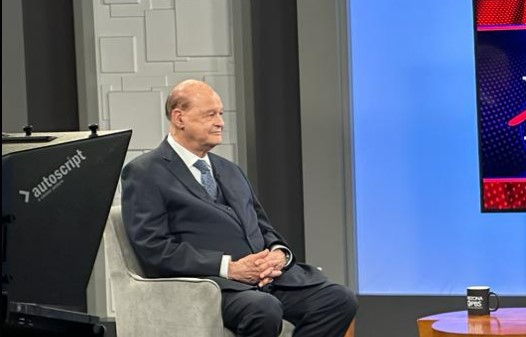
In the school choice ecosystem, Arizona has made commendable strides, particularly with the Empowerment Scholarship Account (ESA) program which, as reported by AZ Capitol Times, has seen an enrollment surge of nearly 50,000 students this year. The Arizona Department of Education (ADE) is predicting, according to the article, “there could be as many as 100,000 students enrolled by this time next year, growth that ADE says reflects the popularity of the program.” This highlights a thriving demand side, driven by policy shifts that have democratized access to private education. However, the narrative doesn’t end here; the supply side awaits a similar unlocking.
The current influx of families into the ESA program underscores a burgeoning demand that is at risk of outpacing supply. Despite the newfound ability to opt for private schooling, many families are soon to find the seats in private schools limited. This reality sheds light on an imperative for the school choice movement—the need to scale up the supply side to match the demand for private education across the state.
Transitioning focus toward facilitating the establishment and expansion of private schools is the logical next step in Arizona’s school choice trajectory. However, achieving this necessitates robust financial instruments that go beyond traditional funding avenues, made even more pressing in an economic environment where the cost of capital limits traditional debt financing. Introducing a blend of philanthropic and mission-driven financing instruments can propel the growth of private educational institutions. By creating a conducive financial landscape, private school operators can be better positioned to expand to accommodate the growing demand.
Business leaders, foundations, philanthropists, and financial intermediaries committed to ensuring parents have the very best education choices for their children should band together to form capital market instruments tuned to the current supply side needs of the private school ecosystem. Something like a Private School Growth Fund is well overdue, and those hungry to see private school expansion should look to the lessons learned from the charter school world over the past 15 years. Examples like the Charter School Growth Fund and the Drexel Fund will help point the way for how supply side financing solutions play an indispensable role in turning policy advances into actual choices for parents.
Additionally, fostering a collaborative environment among policymakers, private school operators, and financiers will be instrumental in creating a sustainable model for private school expansion. This should be coupled with regulatory adjustments that encourage the sprouting and scaling of private schools.
Arizona stands at the cusp of realizing a fully-fledged school choice landscape. The momentum gained on the demand side presents a compelling case to now unlock the supply side. As the state navigates this new phase, the blend of policy, philanthropy, and private enterprise will be crucial in molding a balanced school choice market, capable of serving the educational needs of parents and children from every community across the state.
While the ESA program has significantly opened school choice options, the real testament to success will be in establishing a market where the supply of private schools meets the burgeoning demand, ensuring that the choice remains a genuine one for every family in Arizona.
Erik Twist is the Principal Partner and President of Arcadia Education. He served as President of Great Hearts Arizona from 2017 to 2022.
“I have to go to a homeschool event for my grandson this weekend,” my co-worker said.
“Homeschool? What’s that?” I inquired.
And that was the beginning of a huge life-changing path.
My family and I moved to Arizona from NY in the 90s and had not heard of homeschooling. Since I never felt comfortable sending my first born to pre-K and was concerned about his education in grade school, I found this crazy idea of homeschooling very intriguing. Before I knew it, we pulled our son out of public school. My six children have since graduated from homeschooling and those 25 years were a gift from God, a privilege, an honor, and the greatest blessing.
Homeschooling may seem daunting, because it is. But that’s okay. If your heart is heavy because you’re sending your kids off every day, or you are concerned with the state of education, or you want to be your child’s main source of knowledge and values, then I would venture to say you are up to the challenge.
Let me address some common concerns and questions.
Question: “Homeschooling would be a challenge financially for my family. How can I afford it?”
Answer: It certainly was a financial challenge for my family. We were a two-income family and I had a career, though in retrospect, I really wanted to be a stay-at-home mom. So, we made sacrifices. No vacations, not everyone got braces, sometimes we only had one car, we had a humble home, my husband worked long hours, and we’ve been graced with family support. We also used affordable resources like the public library. We have never regretted the sacrifices because honestly, we found it to be a gift. And now, as of last year, Arizona offers home educators the ability to use funds to educate your children at home through the ESA program, which makes doing so more affordable, especially for families in need.
Question: “What about socialization?”
Answer: I’ll be honest: this is a tough one and it will most likely take a great deal of effort on your part to socialize your kids. But let’s take a step back and first realize that having children in a classroom with kids their same age who must be quiet most of the day is not ideal. It is the norm for modern day society, but not ideal. Picture this: going to a park (okay, for this to be pleasant, imagine it’s November or March) once a week with a group of moms, some dads and even grandparents, sitting around chatting with your baby in your lap while your young kids dig in the playground sand, play tag, and climb trees; your older kids are playing board games, listening to music, and chatting. These gatherings are called homeschool park days. Imagine having co-ops (planned learning groups run by homeschool families), book clubs, writing, science, history, project clubs, homeschool theater, music, speech, PE, art, etiquette classes, service, holiday and church activities often with the same families. Many places, like museums, rec centers, and theaters, even have classes just for homeschoolers. There are plenty of homeschool groups to choose from, such as the wonderful Catholic one my family joined a few years ago. There are even homeschool field trips, dances (my kids organized a few), proms, and graduation ceremonies. Can you begin to picture the beautiful bonds and enriching friendships you will form with other families? The life lessons learned and the unique relationships that are formed are priceless.
Question: “It’s important for children to hear other people’s ideas. How does one achieve this as a homeschooler?”
Answer: Again, this is a challenge, but not unsurmountable. It is vital that children are exposed to differing views for them to have a well-rounded learning experience. This is best achieved through engaging with other homeschool families and through extracurricular activities. Activities such as book and writing clubs, co-ops, church groups, and park days provide ample opportunities for the sharing of ideas and healthy debate. More than likely your kids will also participate in traditional after school activities like sports or music lessons where they can interact and engage with others.
Question: “I can’t homeschool. I don’t have the patience, the time, or the skills. How can I homeschool if I am not qualified?”
Answer: Simply put, you can. Because you love your children, you will find a way to practice patience, make time, utilize the skills you have, and find help with the ones you lack. The resources abound, from science center classes to tutors. As far as time goes, homeschooling generally takes a lot less time per day compared to traditional school, which is wonderful; it allows time for self-study and exploration of subject areas your children are interested in pursuing. My children have studied remarkable things on their own: American history, geology, nutrition, music composition, novel writing, graphic art, coding, politics, quantum physics, and theology! They found their own resources, mentors, and inspiration. And I was able to incorporate lessons on life skills such as personal finance, sewing a button, and how to give a good handshake. You can do this. Pray, lean on your spouse and family, and call a friend for support to get you through the decision process and those tough days.
Question: “There are so many homeschool resources out there. How do I choose the right curriculum and the right method?”
Answer: Ugh, I know. This can take a while. I went from a brief, rigid homeschool method to student-directed schooling to unschooling. I would wake up in the middle of the night many times to brainstorm a great new idea or to wonder if I was on the right path. The best thing I can say is to be kind to yourself, read and research, talk to others, and don’t be afraid to change. Most of all, enjoy and love your kids. I have had the greatest joys in my life waking up every day, because really: every day is a learning day. Every day offered the privilege of being with my children and being their primary source of learning (along with my husband). My fondest memories are laying on the floor reading. Reading, discussing, debating. We still do this!
There are so many homeschool choices from traditional online classes to learning through play. While I never did online work or followed a curriculum, I can say those options work for many families. I preferred learning through play (Lego, blocks, board games, critical thinking activities), exploring the outdoors, projects, reading, discourse, and writing. My family concentrated on rhetoric and logic. Through homeschooling, we were able to focus on virtues that can be incorporated into everything you do with your children, as God intended. Homeschooling is a natural and healthy opportunity to foster your children’s value system throughout their formative years so that they have a sound foundation as they enter the adult world.
Question: “How can my high schooler get accepted into college?”
Answer: I had some challenges because I designed my children’s education from scratch and composed their transcripts and diplomas. But as homeschooling became more the norm than when I started, college acceptance became easier. Most colleges have a homeschool applicant path. Many homeschool families choose to get official homeschool transcripts and diplomas through homeschool programs. Some children attend their local community college, get an associate degree, then transfer to a four-year university (though this path may limit the possibility for scholarships). My suggestion is to start the college search early. Get an idea of what your child is most interested in studying, and start researching what the requirements are for homeschool applicants. When the time comes, your child can study for and take any necessary standardized testing, then apply to a couple of “safe” schools that are most likely doable, a couple of dream schools, and a couple of in-between options. Know the deadlines, get recommendation letters if needed, and fill out those applications.
Question: “But what about…?”
Answer: There are so many questions, right? I highly suggest these helpful resources:
And guess what? I work with AZ Women of Action and would be happy to talk with you about homeschooling! Pray on it, do some research, join a couple of homeschool groups, and send in the homeschool affidavit. The blessings of homeschooling will bring you and your family priceless experiences and insurmountable joys. Send us an email to get in touch with Adrienne if you have questions about homeschooling your children!
Adrienne Johnson is a mom of six and serves on Arizona Women of Action’s Executive Team. You can find out more about their work here.
School choice is popular throughout Arizona across all party lines, according to a poll released by the Yes Every Kid Foundation (YEKF) earlier this month.
The poll reported that both parents and non-parents across all political parties support the Education Savings Account (ESA) Program. 78 percent of parents and 62 percent of non-parents support ESAs. 48 percent of Democrats, 61 percent of independents, and 78 percent of Republicans expressed support for school choice. Only 38 percent of Democrats opposed the ESA Program.
A new poll found that school choice and Education Savings Accounts (ESA), in particular, are broadly popular in Arizona.
— yes. every kid. foundation (@yes_everykid_f) August 21, 2023
The poll also asked its respondents for their view of Gov. Katie Hobbs. 38 percent expressed an unfavorable view of the governor, with 34 percent expressing a favorable view and 20 percent expressing no opinion on the matter. The percentage of those who expressed an unfavorable view of the governor increased by 14 percent after pollsters told the respondents that Hobbs wanted to eliminate the ESA Program.
WPA Intelligence conducted the poll for YEKF.
YEKF is a Virgina-based 501(c)(3) nonprofit associated with its 501(c)(4) nonprofit counterpart, Yes Every Kid. Their director of policy operations, Whitney Marsh, has an extensive leadership background in Arizona.
Marsh was formerly the deputy chief of staff for former Arizona Department of Education (ADE) Superintendent Kathy Hoffman, from December 2019 to last April; executive director for the Arizona State Board for Charter Schools, vice president of education policy and budget for the Arizona Chamber of Commerce and Industry, and then director of strategic initiatives under the Arizona Board of Regents under former Gov. Doug Ducey; state policy director of K-12 funding for Foundation for Excellence in Education; and senior budget analyst for former Gov. Jan Brewer.
Several YEKF executives hail from the Koch Network: Director Andrew Clark; COO Erica Jedynak, also formerly the state director for Americans for Prosperity; Vice President of Strategy Matt Frendewey, also formerly a senior advisor to both former Secretary of Education Betsy DeVos and Gov. Jeb Bush’s Foundation for Excellence in Education.
In response to the poll, Arizona State Board of Education member and school choice proponent Jenny Clark criticized Hobbs’ opposition to the ESA Program.
“ESA approval in Arizona is popular across party lines,” said Clark. “Maybe Governor Hobbs will get a clue! Families want choices!”
Hey Arizona – check this out! If you’re a parent, policy leader, elected official, and everything in between, take note. ESA approval in Arizona is popular across party lines.
Hobbs retracted a $50 million grant issued by her predecessor, Ducey, for the ESA Program in May. The funding was slated for day-long ESA Program kindergarten. Hobbs said the grant represented unequal treatment of ESA versus non-ESA students, since the state only funds half-day kindergarten for public school students.
Today, we held the Ducey Administration accountable for illegally handing out a $50 million ESA grant. Instead, we're going to put that money to good use.
In my administration, we are committed to ESA accountability, protecting taxpayer dollars, and truly investing in public…
— Governor Katie Hobbs (@GovernorHobbs) May 25, 2023
Last month, Hobbs’ office issued a memo declaring that the ESA Program would bankrupt the state. ADE Superintendent Tom Horne countered with an independent analysis debunking Hobbs’ prediction.
Hobbs’ initial budget asked for a rollback of the universalized ESA Program. However, the governor ultimately compromised in the final form of the budget.
We have a constitutional responsibility to fund our public schools. If we continue down the current path, we will not be able to fulfill that responsibility. That's why my budget called for a rollback of the ESA program to ensure Arizona has a sustainable https://t.co/JnVBGtxuvl…
Another week brings another school choice battle between Arizona’s Governor and Superintendent of Public Instruction.
On Monday, the state’s schools chief, Tom Horne, issued a statement to continue to push back against Governor Katie Hobbs political assaults over the historic Empowerment Scholarship Account (ESA) program, calling her recent attacks “unfounded.”
The release touted an “independent analysis by education analyst, Dr. Matthew Ladner, of how much the ESA program will cost, showing the dire predictions made by Governor Hobbs and other opponents of the program are incorrect.”
@katiehobbs memo on AZESA conflates the interests of the spending lobby with those of taxpayers (taxpayers pay all the taxes and they are all green) and ignores $218,000,000 in tax credits in making fiscal estimates https://t.co/jc15ayJWkF
Last month, Governor Hobbs’ Office issued a memo, highlighting that the ESA program “would cost the state over $943 million, with over 53% of all new K-12 education spending going towards only 8% of Arizona students.” Hobbs stated, “The universal school voucher program is unsustainable. Unaccountable school vouchers do not save taxpayer money, and they do not provide a better education for Arizona students. We must bring transparency and accountability to this program to ensure school vouchers don’t bankrupt our state. I’m committed to reforming universal vouchers to protect taxpayer money and give all Arizona students the education they deserve.”
Horne has been extremely proactive in responding to all of Hobbs’ attacks on the ESA program, and the fight over the veracity of the Governor’s memo has been no exception. Horne wrote that the author of the analysis, Dr. Ladner, “has studied the issue thoroughly and without political bias. His analysis should be read to reassure taxpayers the ESA program saves tax dollars and is sustainable.”
The Republican schools chief concurred with Dr. Ladner “that the costs of the ESA program will never be $943 million.” However, he pointed out that “even if it were, that would be only about one percent of the fiscal 2022 state budget of $80.5 billion.”
He then took two routes to defend his argument that the cost of the state’s ESA program would not reach the controversial $943 million mark. First, Horne reasoned that “taxpayers pay both state and local taxes. Combined they contribute about $13,000 per student for every student in public school. If a student leaves a public school for a private school, and obtains a payment from ESA of $7200, that is a savings of about $6000 per student to the taxpayers.”
Second, Horne argued that “if the student was never in a public school but was already in a private school when the ESA program was adopted, there is still a benefit to the state for the following reasons: many students in private schools are beneficiaries of the tax credit available for contributors to the student’s tuition. If they choose to take the $7200 from the ESA program, they have to give up that tax credit. This increases revenues to the state, because the tax liability that previously was erased by the tax credit now has to be paid to the state.”
Daniel Stefanski is a reporter for AZ Free News. You can send him news tips using this link.
Have you heard the outrageous story of what happened recently in Harrisburg, Pennsylvania’s capital? Gov. Josh Shapiro (D-Pa.), elected in 2022, had campaigned on school choice for tens of thousands of children, mostly minorities, who are forced to attend failing public schools in places like Philadelphia.
“It’s what I believe,” Shapiro, then state attorney general, assured voters as he ran for governor. Last month on a national Fox News broadcast, Shapiro was unequivocal in his support for school choice because “every child of God” deserves “a quality education.”
But there’s a force far more powerful in politics than Shapiro’s convictions, such as they are. And that force is the teachers unions. They put on a full-court press to stop the roughly 10,000 vouchers for the poorest kids in Pennsylvania’s worst school districts even though the state budget bill gave billions more for the public schools. It didn’t matter that this voucher program comprised less than 0.5% of state spending. The union brass commanded Democrats to vote no on even a single penny going to schools that work.
In the end, Shapiro did a full flip-flop. He vetoed his own promise. He might as well have declared that black lives don’t matter.
Shapiro has presidential ambitions — so he figures he needs the teachers unions behind him. But if he can’t face down Randi Weingarten, how is he ever going to stand up to bullies like China’s President Xi Jinping or Russia’s President Vladimir Putin?
This story isn’t just about Josh Shapiro in Pennsylvania. In North Carolina, Democratic Gov. Roy Cooper declared a state of emergency in the Tar Heel State because the legislature wanted to fund vouchers for kids to go to the best schools possible. Egads!
In Arizona, Democratic Gov. Katie Hobbs wants to defund a school choice program that is already serving tens of thousands of kids, most of whom are Hispanic, with proven results of better performance and higher test scores. Why would she kill a program that is working? The teachers unions want the money and the kids under their control.
In New York City’s Harlem neighborhood, charter schools are flourishing. They are alternatives to public schools but are still regulated by the state. They are oversubscribed because parents want to choose the best school for their kids. Now, the Democrats want to put a cap on the charter schools because the teachers unions want to warehouse the kids in public schools where a majority of the kids can’t read or do math at grade-level proficiency. In other words, many of the public schools are worse than mediocre. And it’s not for lack of money. New York spends more than $20,000 per child in public schools.
Did I mention that in nearly every one of these cases across the country, the Democrats blocking private and Catholic school options went to private schools themselves? Or they send their kids to private schools. But poor black kids aren’t allowed that same opportunity? These are hypocrites with a capital H.
There’s a cruel historic irony here. Sixty years ago this summer, Alabama Gov. George Wallace stood before the doors of schools to prevent black children from attending the schools with white children. He was trying to preserve the stain of segregation.
Today, Democrats are employing the same tactic to keep minority kids from attending excellent schools. Why? They say that school choice will hurt public schools or cause more segregation.
Wrong on both counts. Monopolies are always bad for consumers and competition improves service. Education choice requires public schools to compete. Would you get good and friendly service if there were only one restaurant in town?
Instead of draining public schools of money, studies show that per-pupil funding rises when some kids take advantage of vouchers to attend alternative schools. Charter and Catholic schools tend to be, in most cases, more racially diverse than inner-city public schools.
I’m a parent of five boys, so I know that each of my kids has different skills, interests, behavior issues and attention spans. To warehouse them all in the same schoolroom is madness. Schools should be tailored toward the kids and serve their interests — not those of the $1 trillion a year public-school-industrial complex.
More importantly, as an economist, my biggest worry about America’s future is what happens when kids are graduating without being able to read their diplomas and with no useful skills. There are hundreds of schools around the country where not a single child can pass a basic math or reading test.
That’s an economic, civil rights and national security tragedy. Shame on Democratic leaders, and some Republicans, too, for putting their own political ambitions ahead of our nation’s children.
Stephen Moore is a contributor to The Daily Caller News Foundation, senior fellow at the Heritage Foundation, and a co-founder of the Committee to Unleash Prosperity. His latest book is “Govzilla: How the Relentless Growth of Government Is Devouring Our Economy.”