
DAVID BLACKMON: Trump Moves To Reverse Biden’s Green New Deal Agenda — With A Special Focus On Wind

DAVID BLACKMON: Trump Moves To Reverse Biden’s Green New Deal Agenda — With A Special Focus On Wind

By David Blackmon |

Shares of big Danish offshore wind developer Orsted dropped by 17% Monday, the same day President Donald Trump took the oath of office to become the 47th president of the United States. The two events are not merely coincidental with one another.

To be sure, Orsted’s loss of market cap was caused by several factors, including both the general slowing of the offshore wind business, and Orsted’s own announcement that it will incur a $1.69 billion impairment charge related to its Sunrise Wind project off the coast of New York. Company CEO Mads Nipper attributed the charge to delays and cost increases and said the project completion date is now delayed to the second half of 2027.

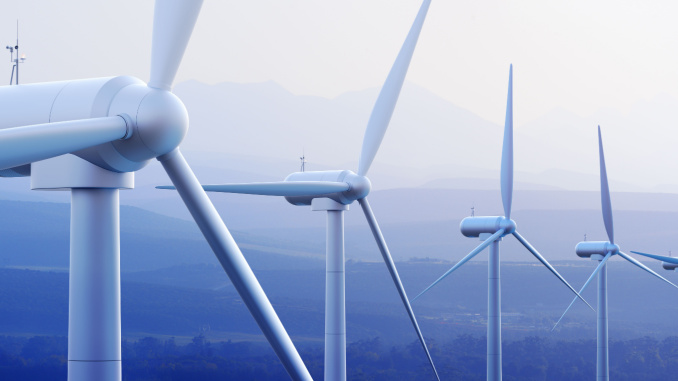
But there can be little doubt that the raft of energy-related executive orders signed by Trump also contributed to the drop in Orsted’s stock price. As part of a Day 1 agenda consisting of a reported 196 executive orders, the new president took dead aim at reversing the Biden Green New Deal agenda in general, with a special focus on wind power projects on federal lands and waters.

In addition to general orders declaring a national energy emergency and pulling the United States out of the Paris Climate Accords (for a second time), Trump signed a separate order titled, “Temporary Withdrawal of All Areas on the Outer Continental Shelf from Offshore Wind Leasing and Review of the Federal Government’s Leasing and Permitting Practices for Wind Projects.” That long-winded title (pardon the pun) is quite descriptive of what the order is designed to accomplish.

Section 1 of this order withdraws “from disposition for wind energy leasing all areas within the Offshore Continental Shelf (OCS) as defined in section 2 of the Outer Continental Shelf Lands Act (OCSLA), 43 U.S.C. 1331.” Somewhat ironically, this is the same OCSLA cited in early January by former President Joe Biden when he set 625 million acres of federal offshore waters off limits to oil and gas leasing and drilling into perpetuity.

As with Biden’s LNG permitting pause, the fourth paragraph of Section 1 in Trump’s order states that “Nothing in this withdrawal affects rights under existing leases in the withdrawn areas.” However, the same paragraph goes on to subject those existing leases to review by the secretary of the Interior, who is charged with conducting “a comprehensive review of the ecological, economic, and environmental necessity of terminating or amending any existing wind energy leases, identifying any legal bases for such removal, and submit a report with recommendations to the President, through the Assistant to the President for Economic Policy.”

Observant readers will know that the parameters of this order as it relates to offshore wind are essentially the same as a proposal I suggested in a previous piece here on Jan. 1. So, obviously, it receives the Blackmon Seal of Approval.

But we should also note that Trump goes even further, extending this freeze to onshore wind projects as well. While the rationale for the freeze in offshore leasing and permitting cites factors unique to the offshore like harm to marine mammals, ocean currents and the marine fishing industry, the rationale supporting the onshore freeze cites “environmental impact and cost to surrounding communities of defunct and idle windmills and deliver a report to the President, through the Assistant to the President for Economic Policy, with their findings and recommended authorities to require the removal of such windmills.”

This gets at concerns long held by me and many others that neither the federal government nor any state government has seen fit to require the proper, complete tear down and safe disposal of these massive wind turbines, blades, towers and foundations once they outlive their useful lives. In most jurisdictions, wind operators are free to just abandon the projects and leave the equipment to dilapidate and rot.

The dirty secret of the wind industry, whether onshore or offshore, is that it is not sustainable without consistent new injections of more and more subsidies, along with the tacit refusal by governments to properly regulate its operations. Trump and his team understand this reality and should be applauded for taking real action to address it.

Daily Caller News Foundation logo

Originally published by the Daily Caller News Foundation.

David Blackmon is a contributor to The Daily Caller News Foundation, an energy writer, and consultant based in Texas. He spent 40 years in the oil and gas business, where he specialized in public policy and communications.

DAVID BLACKMON: Trump Moves To Reverse Biden’s Green New Deal Agenda — With A Special Focus On Wind

Is The Green Energy Transition Falling Off The Rails?

By David Blackmon |

Is the much-hyped “energy transition” starting to crumble at its foundations now? In recent weeks we have seen the following:

  • Ford Motor Company warns investors its electric vehicle division will lose $4.5 billion in 2023;
  • Reports that China has commissioned another 50 GW of new coal-fired electricity generation capacity;
  • The British government led by Prime Minister Rishi Sunak beginning to back away from absurdly aggressive transition timelines amid public outcry over rising energy bills and other deprivations;
  • The German government continuing to reactivate mothballed coal plants and facilitating new mining for coal;
  • The Scottish government forced to admit it has facilitated the felling of 16 million trees in this century to make way for new wind farms;
  • The Japanese government moving to reinvigorate its own coal-fired power sector;
  • Global demand for crude oil rapidly growing and outpacing supply growth, surprising all the supposed experts;
  • The U.S. Department of Energy forced to admit its initial estimate of consumer “savings” from converting from gas stoves to more expensive electric models was grossly overstated.

This list could go on and on, but the macro view is clear: Everywhere one looks, the aggressive timelines and heavily subsidized plans for a rapid transition are falling apart. Nowhere is the dynamic becoming clearer than in the wind industry.

In an Aug. 7 report titled “Wind Industry in Crisis as Problems Mount,” the Wall Street Journal catalogues $30 billion in planned investments in new wind projects in the U.S. and elsewhere that have now been delayed due to an expanding variety of factors. “After months of warnings about rising prices and logistical hiccups, developers and would-be buyers of wind power are scrapping contracts, putting off projects and postponing investment decisions,” the story says, emphasizing that the problems are becoming especially severe in the offshore wind business that has been so heavily promoted by the Biden administration.

I wrote a story in July detailing the fact that some of the so-called “Big Oil” companies have recently made big inroads into the offshore wind business, winning bids in the U.S. and Germany for licenses to develop large projects.  But the Journal’s story quotes Anders Opedal, CEO of Norwegian oil giant Equinor, saying, “At the moment, we are seeing the industry’s first crisis.”

Along with British oil major BP, Equinor has plans in place to develop three wind farms off the Atlantic coast of New York, but recently warned state officials they would need to renegotiate power prices or the projects would not be able to obtain the needed financing. This demand by the two oil companies echoed a call by traditional wind developer Orsted in June for more subsidies from the U.K. government if its planned projects in the North Sea are to remain viable.

Make no mistake about it: Developing these offshore wind projects doesn’t come cheap. Orsted pulled out of a competitive bidding auction in Germany last month for government licenses to develop 7 GW of new offshore wind capacity when BP and French oil major TotalEnergies ran the final bids up to almost $14 billion.

“Orsted very deliberately chose not to pay record high concession prices for new offshore projects in Germany,” Orsted CEO Mads Nipper said in a post on LinkedIn. Orsted objected to the process that awarded the licenses based on the willingness of developers to pay the government for the right to develop — the same process used in oil and gas leasing all over the world — rather than the government offering more and more subsidies to incentivize development.

Therein lies the central conundrum for this subsidized transition: At some point, wind, like solar, electric vehicles and all the other rent-seeking solutions being promoted in this energy transition will have to become viable without an expectation of permanently rising subsidies, since governments already seeing their credit ratings downgraded due to overwhelming debt won’t be able to just keep printing money forever.

But, at the present moment, the business models in play do not appear to be headed for that outcome. And that’s why this energy transition seems to be falling off the rails.

Daily Caller News Foundation logo

Originally published by the Daily Caller News Foundation.

David Blackmon is a contributor to The Daily Caller News Foundation, an energy writer, and consultant based in Texas. He spent 40 years in the oil and gas business, where he specialized in public policy and communications.