by AZ Free Enterprise Club | Dec 22, 2023 | Opinion
By the Arizona Free Enterprise Club |
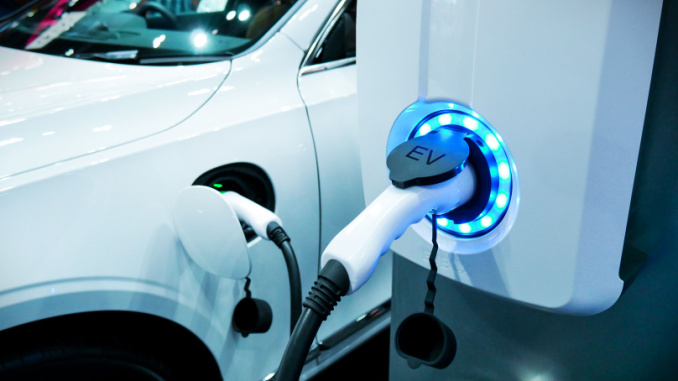
If someone wants to own an electric vehicle (EV), it is perfectly within their right to do so. That’s what it means to have freedom. But EV owners should be the ones to bear the burden of any costs associated with the necessary infrastructure improvements. And they should absolutely be responsible for paying for any excessive demand placed on the grid.
But that’s not the way the left sees it.
As part of its Green New Deal dream, the left has been pushing an agenda that significantly increases the amount of EVs on the road despite slowing demand from consumers and companies like Ford losing billions on them just this year. And Arizona utilities have fallen right in line, planning for 1 million EVs by 2030 while APS alone plans to have a 100% “carbon free” vehicle fleet as part of its commitment to go “Net Zero” by 2050.
So, how exactly was APS planning to do this?
>>> CONTINUE READING >>>
by Daniel Stefanski | Sep 4, 2023 | News
By Daniel Stefanski |
A first-year Corporation Commissioner continues to fight for Arizona ratepayers.
Late last month, Republican Corporation Commissioner Kevin Thompson issued a press release to announce that he had “amended several provisions in a recent proposal for UniSource Energy’s (“UNS”) Demand Side Management (“DSM”) Energy Efficiency (“EE”) program.” The release explained that these amendments “eliminated or revised several proposals” and “reigned in ratepayer-funded incentives to contractors and sales consultants and focused on prioritizing programs that provided greater value to residential customers and target low-income customers.”
Thompson educated readers on what DSM entailed, writing that “DSM is a ratepayer-funded surcharge that finances Commission-approved EE programs, which are implemented by UNS and other utilities, with the goal of reducing energy load and promoting energy efficiency.” According to Thompson’s information, “the utility spent just over $2.7 million in ratepayer funds on DSM EE programs during 2022.”
The release revealed that the “proposal (in front of the Commission) called to vastly expand the existing UNS EE budget, with nearly $5.8 million in ratepayer-funded programs up for consideration.”
In a statement, Thompson said, “Before increasing ratepayer surcharges to blindly expand energy efficiency programs, it’s important to address inefficiencies in existing programs, eliminate financial rewards for private entities, and ensure residential and low-income customers receive adequate representation in approved programs.”
The Republican commissioner specifically looked for “ratepayer funded incentives weaved throughout the DSM EE programs.” Thompson’s announcement noted that “many of the proposed programs provided incentives and rebates to third parties with financial stakes in the adoption of certain measures or the installation of certain products.” The proposal was devoid of “several incentives and payment reward programs” after Thompson’s due diligence, including:
- Incentives to homebuilders to install energy efficient devices in certain new homes
- Bonus incentives to sales consultants
- Marketing stipends for third parties to promote certain programs
- Project incentives to contractors
The proposal had another layer to it, per Thompson, with “the majority of proposed new programs targeting commercial and industrial users.” Thompson was concerned about these programs because “the majority of UNS’s customers are residential and the proposals were of limited value to the public.”
Commissioner Thompson added, “Commissioners must look out for the ratepayer, and we can’t haphazardly spend millions of dollars in ratepayer funds when there are concerns with the way current programs are being deployed. Residential customers shouldn’t be subsidizing purchases for hotel room HVAC units, electric forklifts, appliances for new homes, and truck refrigeration units.”
Daniel Stefanski is a reporter for AZ Free News. You can send him news tips using this link.